

- Strain Type: 65% Indica / 35% Sativa
- Genetics: GMO Cookies × SinMint Cookies
- Breeder: Sin City Seeds
- THC Content: 24%
- CBD Content: Low
- Terpene Profile: Myrcene, Beta-Caryophyllene, Limonene
- Primary Flavors: Sweet Cookies, Garlic, Earthy Mint, Diesel
- Flowering Time (Indoor): 55–65 Days
- Outdoor Harvest Time: early / mid October
- Indoor Yield: Medium to High
- Outdoor Yield: Medium
- Grow Difficulty: Intermediate
Modified Mints takes two unmistakable branches of modern cannabis genetics and brings them together in a combination that is considerably more pungent than its name might suggest. Created by Sin City Seeds, this indica-dominant hybrid crosses the legendary GMO Cookies with the breeder’s own SinMint Cookies, producing a marijuana variety rich in savory funk, sweet cookie dough, earthy mint, and chemical gas.
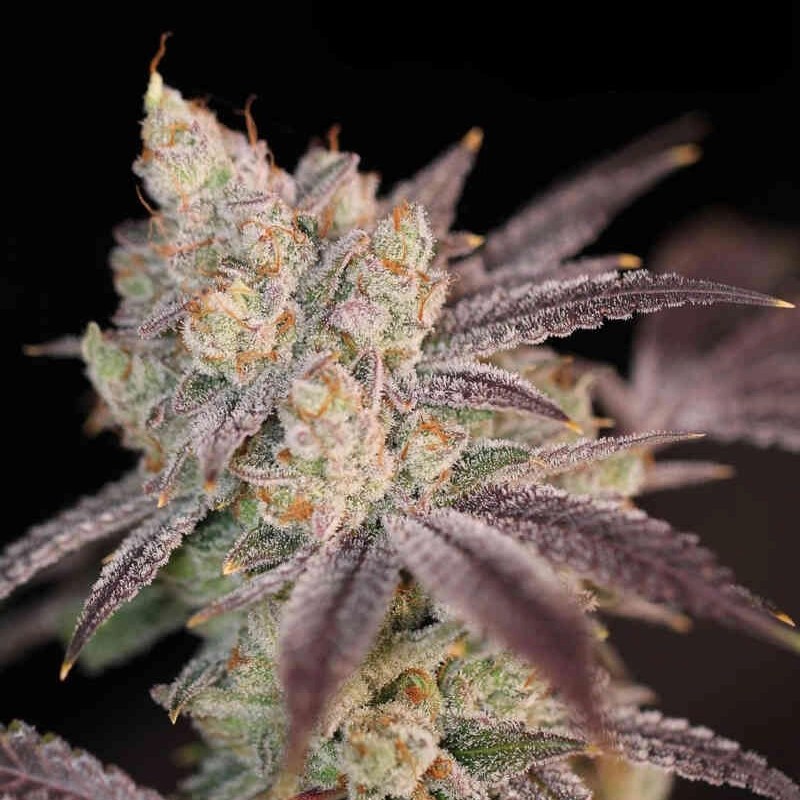
Its flowers can display dark green coloration, nearly black foliage, and an exceptionally frosted appearance beneath dense layers of trichomes. While the fragrance blends familiar Cookies sweetness with garlic-like intensity, the experience generally favors a soothing, mentally euphoric relaxation that becomes increasingly physical as intoxication develops. For cannabis enthusiasts who appreciate complex aromas and the heavier characteristics of classic Cookies genetics, Modified Mints offers an intriguing meeting point between dessert sweetness and old-school pungency.
Genetics and Lineage
Modified Mints originated from Sin City Seeds’ decision to combine GMO Cookies with SinMint Cookies, two varieties connected to the influential Girl Scout Cookies genetic family. GMO, sometimes called Garlic Cookies or Chem Cookies, descends from Chemdawg and the Forum Cut of Girl Scout Cookies. Its reputation comes from an unusually powerful aromatic combination of garlic, mushroom-like earthiness, coffee, and chemical fuel. Beyond those distinctive smells, GMO contributes dense resin production and pronounced physical effects. These characteristics establish the savory foundation of Modified Mints and explain why some phenotypes lean toward diesel and garlic rather than conventional mint sweetness.
SinMint Cookies introduces a different expression of Cookies ancestry. Sin City Seeds developed this parent by crossing the Forum Cut of Girl Scout Cookies with Blue Power, one of the breeder’s foundational creations. Blue Power traces back to Power, a Sour Double and Master Kush hybrid, crossed with White Moonshine, which combines The White and Blue Moonshine. This extended ancestry introduces Kush, berry, and earthy characteristics alongside the sweet dough and mint-like qualities associated with SinMint Cookies. Its contribution softens the sharper GMO influence without eliminating the pungency that defines the finished hybrid.
The resulting genetics are generally classified as approximately 65% indica and 35% sativa, although these percentages represent traditional breeding classifications rather than verified measurements of genetic ancestry. Sin City Seeds originally offered Modified Mints in regular seed form, and listings have also included feminized versions. Individual plants may vary in aromatic emphasis, pigmentation, and growth behavior. Some express dominant garlic and chemical funk, while others lean toward sweet cookies, herbal mint, or creamy earthiness. This diversity makes the cultivar particularly interesting to enthusiasts exploring the connections between GMO and the SinMint family.
Effects and Experience
The initial experience of Modified Mints tends to develop through a comfortable cerebral shift rather than an energetic rush. A sense of euphoria may appear alongside improved mood, increased appreciation for music, and a more relaxed attitude toward ordinary distractions. Some consumers describe feeling mentally uplifted while remaining physically settled, creating a pleasant contrast between emotional lightness and bodily calm. Its indica-leaning genetics generally favor an unhurried experience, although the precise effects depend on individual sensitivity, cannabinoid concentration, and dosage.
Physical relaxation often becomes increasingly noticeable after the opening phase. A gradual heaviness may develop through the shoulders and limbs, encouraging consumers to settle into a comfortable chair or quiet recreational environment. At moderate amounts, the hybrid may complement casual conversation, films, or listening to music. Larger doses can introduce a dreamier, more sedating quality, potentially reducing motivation and making demanding activities less appealing. This progression gives the weed an evening-oriented reputation, although some experienced consumers may find smaller amounts manageable earlier in the day.
Potency varies considerably between commercial batches. Reported examples have fallen around the high-teens to low-20% THC range, but no single percentage accurately represents every plant carrying the name. Products with higher cannabinoid concentrations may produce stronger intoxication, especially among individuals with limited tolerance. Possible unwanted effects include dry mouth, red eyes, dizziness, temporary memory difficulties, and anxiety. Because even relaxing cannabis can impair reaction time and coordination, consumers should avoid driving or operating machinery after use.
Medical Benefits
The calming characteristics associated with Modified Mints may interest medical cannabis patients seeking temporary symptom relief. Some individuals use THC-containing marijuana products to alter their perception of persistent discomfort, manage subjective tension, or make stressful situations feel more tolerable. The combination of mental euphoria and physical relaxation may appeal to patients who prefer a soothing experience without immediate overwhelming sedation. However, controlled clinical studies have not established Modified Mints itself as an effective treatment for chronic pain, anxiety disorders, depression, or other diagnosed conditions.
Its potentially sedating qualities may also attract people experiencing difficulty unwinding before bedtime, while THC-related appetite stimulation may be useful to certain patients under medical supervision. Neither effect is guaranteed, and stronger intoxication does not necessarily produce better therapeutic results. High-THC cannabis can aggravate anxiety, interfere with concentration, and alter normal sleep patterns with repeated use. Because the cultivar has no standardized THC-to-CBD ratio, patients should rely on laboratory-tested products rather than strain reputation when considering dosage. Anyone taking prescription medications, particularly sedatives or blood thinners, should consult a qualified healthcare professional about possible cannabinoid interactions.
Flavor Profile and Aroma
Modified Mints develops its aromatic identity through a contrast between sweet baked goods and pungent savory chemicals. Opening a container of properly cured flower can release a fragrance resembling fresh cookie dough layered over damp earth, garlic, and diesel fuel. Breaking apart the buds may reveal additional notes of herbal mint, creamy spice, and a subtle coffee-like bitterness. The influence of GMO becomes especially apparent in phenotypes expressing stronger garlic or fermented funk, while SinMint Cookies contributes sweeter dough and a cooler herbal impression. Despite its name, the cultivar does not necessarily produce an intense peppermint flavor.
Terpene reports have associated the strain with myrcene, beta-caryophyllene, and limonene, although a consistent laboratory-confirmed ranking has not been established across all phenotypes. Myrcene commonly contributes earthy and musky impressions, while caryophyllene adds peppery, woody complexity. Limonene can introduce subtle citrus brightness that helps balance the heavier aromas. The distinctive garlic and fuel characteristics also involve other volatile compounds, including sulfur-containing molecules that may contribute to pungency in cannabis. The interaction of these substances creates a more complicated fragrance than any individual terpene can explain.
Flavor often follows the aromatic profile but develops additional complexity during consumption. Sweet cookies and creamy earthiness may appear first, followed by savory garlic, herbal spice, and lingering gas. Some batches display a slightly minty finish, while others emphasize sour chemical notes or a more pronounced diesel aftertaste. Proper drying and curing are particularly important for preserving this balance. Excessive heat, oxygen exposure, and unsuitable storage can reduce volatile aromatic compounds, leaving the finished flower less expressive than its genetics suggest. Well-preserved examples demonstrate why the hybrid appeals to enthusiasts who enjoy unconventional combinations of sweetness and pungency.
Growing Information
Modified Mints generally develops into a medium-height cannabis plant with an indica-leaning structure and substantial branching potential. Its growth pattern can support numerous flowering sites, particularly when lateral branches receive adequate light. Indoor growers should anticipate moderate canopy expansion and allow enough room for branches to develop without excessive crowding. Individual phenotypes may demonstrate different amounts of flowering stretch, making flexible canopy management more useful than assuming every plant will remain compact. Healthy plants benefit from stable environmental conditions, appropriate irrigation, and balanced nutrition throughout vegetative development.
Flower formation is among the cultivar’s most attractive characteristics. Dense green buds can become heavily coated with crystalline trichomes, creating an almost sugar-dusted appearance. Some plants also develop dark purple or nearly black foliage that contrasts with frosted emerald flowers and orange pistils. These darker colors reflect anthocyanin expression influenced by genetics and environmental conditions, rather than indicating superior cannabinoid potency. As flowering progresses, the combination of dense floral clusters and substantial resin production may require additional branch support. Appropriate airflow and humidity management are essential because compact flowers can retain moisture and become vulnerable to fungal problems.
Sin City Seeds’ original strain information lists an indoor flowering period of approximately 55–65 days, placing the hybrid within an eight-to-nine-week harvest window. Breeder-catalog descriptions have advertised indoor yields of 500–800 grams per square meter under favorable conditions, although actual production can be substantially lower depending on phenotype and cultivation practices. Outdoor harvest timing has not been consistently documented and depends on local climate, flowering conditions, and plant maturity. For phenotype hunters, desirable characteristics may include strong branching, dense resin coverage, pronounced GMO pungency, and a recognizable mint-cookie finish. Its relatively manageable height and productive potential make Modified Mints an interesting option for intermediate cultivators seeking flavor-focused Cookies genetics.
FAQ
Is Modified Mints an Indica or Sativa?
Modified Mints is an indica-dominant hybrid commonly described as approximately 65% indica and 35% sativa. Its GMO Cookies and SinMint Cookies genetics contribute a combination of cerebral euphoria and physical relaxation. Larger doses may produce more noticeable sedation, although individual experiences depend on potency and tolerance.
What Are the Genetics of Modified Mints?
Sin City Seeds created Modified Mints by crossing GMO Cookies with SinMint Cookies. GMO descends from Chemdawg and the Forum Cut of Girl Scout Cookies, while SinMint Cookies combines Forum Cut GSC with Blue Power. These genetics contribute savory garlic, sweet cookie dough, herbal mint, and substantial resin production.
How Strong Is Modified Mints Weed?
Modified Mints can produce potent THC-rich flowers, with some reported commercial examples testing around 18–23% THC. However, concentrations vary between growers and batches, and no standardized percentage applies to every phenotype. Laboratory results from the specific product provide the most reliable indication of strength.
What Does Modified Mints Taste Like?
Its flavor combines sweet cookies, earthy mint, creamy dough, garlic, diesel, and herbal spice. Some phenotypes emphasize the savory GMO influence, while others express stronger sweetness inherited from SinMint Cookies. The mint character is often subtle rather than resembling concentrated peppermint.
How Long Does Modified Mints Take to Flower?
The cultivar generally requires approximately 55–65 days of indoor flowering, equivalent to eight or nine weeks. Individual plants may mature at different rates. Growers should assess overall flower development and trichome maturity before determining the appropriate harvest date.
Final Thoughts on Modified Mints
Modified Mints occupies an appealing position within contemporary cannabis breeding because it combines two influential Cookies-related genetic families without sacrificing the distinctive qualities of either parent. GMO introduces savory garlic, chemical gas, and earthy pungency, while SinMint Cookies contributes creamy sweetness, herbal mint, and a recognizable baked-cookie fragrance. Dense, resin-covered buds and occasional dark foliage add considerable visual appeal, while its indica-leaning character offers a progression from cerebral euphoria toward deeper physical relaxation.
For marijuana enthusiasts who appreciate complex flavors beyond conventional fruit and candy profiles, this Sin City Seeds creation offers a memorable alternative. Cultivators may value its relatively manageable flowering period, medium stature, and promising production potential, particularly when selecting vigorous, aromatic phenotypes. Whether appreciated for its unusual garlic-cookie fragrance, frosted flowers, or established genetic heritage, Modified Mints demonstrates how thoughtful breeding can create a weed strain that balances familiar sweetness with unmistakably pungent character.


