

- Strain Type: 80% Sativa / 20% Indica
- Genetics: Shishkaberry × Truffula Tree
- Breeder: Humboldt Seed Company
- THC Content: 22%
- CBD Content: Low
- Terpene Profile: N/A
- Primary Flavors: Raspberry, vanilla cream, sweet berries
- Flowering Time (Indoor): Approximately 60 days
- Outdoor Harvest Time: October 1 – 10
- Indoor Yield: High
- Outdoor Yield: High
- Grow Difficulty: Easy to intermediate
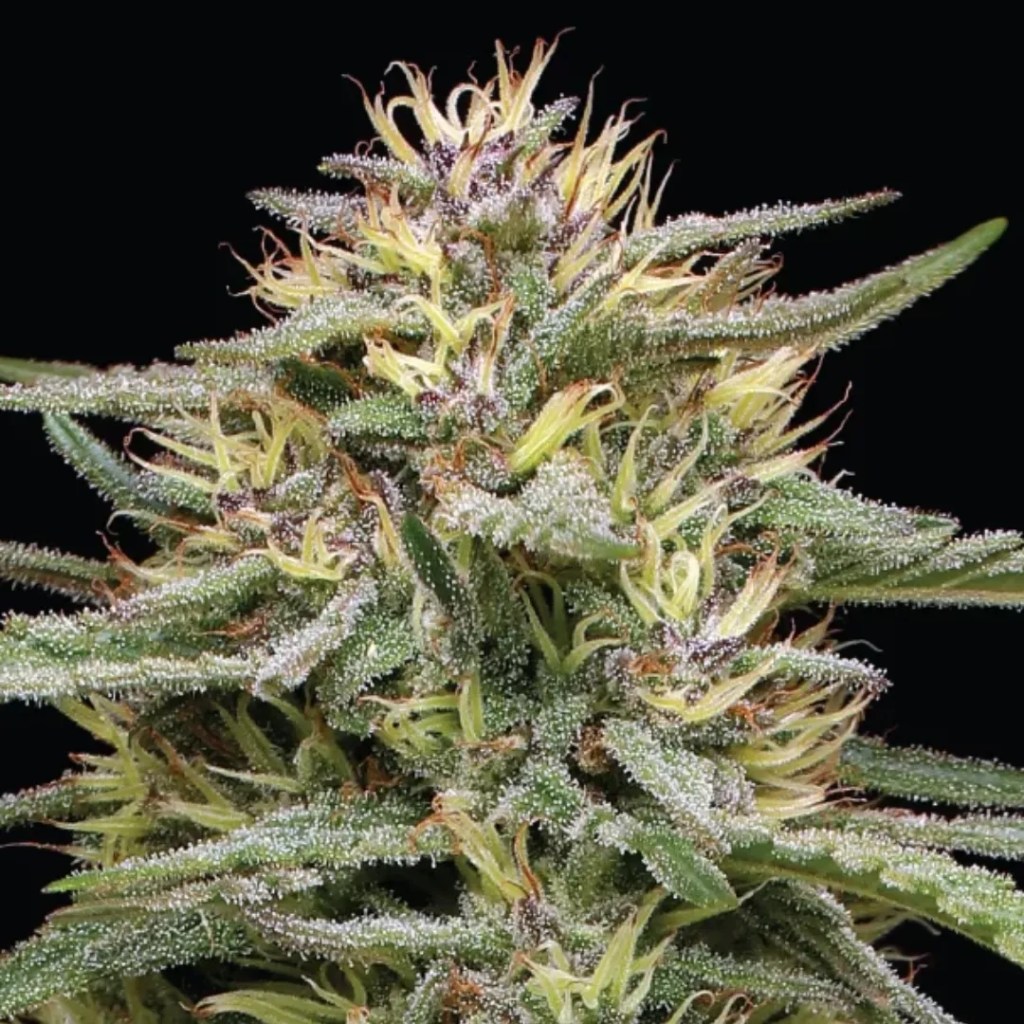
Raspberry Parfait is one of those rare cannabis strains whose aroma makes the name seem almost literal. Crack open a properly cured flower and ripe raspberry sweetness rises immediately, followed by vanilla yogurt, cream, and mixed berries. Beneath the dessert-like surface sits a more botanical layer of flowers, musky pine, and traditional cannabis resin, giving the bouquet enough structure to keep it from smelling like simple fruit candy. Tall plants develop long flowering spears with bright pistils and a heavy coating of trichomes, combining classic sativa architecture with unusually dense, attractive flower development.
The strain emerged from a 2017 phenotype-hunting collaboration at Rising Leaf Farms in Oregon, where an R&D population made from a Shishkaberry mother and Truffula Tree father produced an exceptional individual. Humboldt Seed Company continued working that selection until it could be offered as a more dependable feminized seed line. The finished cultivar retains an 80% sativa profile, vigorous vertical growth, approximately 22% average THC, and a roughly 60-day flowering period—an efficient schedule for a plant carrying this much sativa influence. Its effects follow the same bright direction, emphasizing stimulation, creativity, euphoria, and an expansive mental quality before gentler physical relaxation develops later.
Genetics and Lineage
Shishkaberry supplies the darker berry foundation. The cultivar, sometimes called Shiskaberry or Kish, is commonly traced to DJ Short Blueberry crossed with an Afghani indica. That background explains its combination of sweet berry aromatics, purple coloration potential, resin, and physical calm. Shishkaberry also earned second place in the indica category at the 2001 High Times Cannabis Cup, helping establish its reputation well before modern fruit-forward hybrids became commonplace. Within Raspberry Parfait, the parent contributes much of the jammy berry sweetness while tempering the taller, more cerebral side of the finished strain with additional structure and relaxation.
Truffula Tree contributes a very different genetic package. Humboldt bred the parent from material involving Cookie Monster, Kandy Kush, and Humboldt OG, selecting it to retain desirable Cookies-style resin and potency while improving plant size and production. Cookie Monster brings dense frost and sweet baked-resin characteristics, Kandy Kush contributes sweetness and hybrid vigor, while Humboldt OG reinforces fuel, earth, pine, and a stronger California structural influence. Truffula Tree became known for large colorful buds, uplifting effects, and significantly more production than many compact Cookie-family cultivars.
Combining those parents created a population with both old-school berry depth and newer Cookies-OG vigor. Shishkaberry contributes raspberry-like fruit, indica stability, and Afghani density; Truffula Tree adds height, production, resin, and a brighter mental experience. The phenotype selected at Rising Leaf Farms stood apart because those influences converged around an unusually convincing raspberry-and-cream aroma rather than a generic sweet profile. Continued selection preserved that dessert character while retaining the tall productive structure that defines the finished seed line.
Effects and Experience
Mental stimulation is the clearest feature of the opening. The high can develop into a buoyant, almost expansive state where conversation feels easier and creative ideas arrive with less effort. Music may become more immersive, visual surroundings feel more interesting, and ordinary activities can take on an unexpectedly entertaining quality. Humboldt describes the experience as mind-expanding, ethereal, stimulating, and creative, which fits the cultivar better than conventional labels such as simply “energetic.”
Unlike more aggressive Haze-style marijuana, however, the stimulation usually has enough softness to remain comfortable at moderate amounts. Shishkaberry influence introduces a quieter body component as the session develops, gradually reducing physical tension without immediately ending the cerebral portion of the high. That combination can make Raspberry Parfait particularly appealing during social afternoons, artistic activities, outdoor recreation, or relaxed evenings where complete sedation would be undesirable.
At around 22% average THC, the cultivar is potent without chasing the extreme laboratory percentages found in some modern strains. That does not make it mild. Larger servings can still cause anxiety, dizziness, dry mouth, impaired short-term memory, or scattered attention, particularly among consumers sensitive to stimulating weed. The expansive quality can become mentally busy at high doses, making moderate consumption more likely to preserve the balanced creative character.
Medical Benefits
The uplifting mental component may interest medical marijuana consumers who prefer cannabis that does not immediately produce heavy sedation. Products with similar subjective effects are sometimes chosen by individuals dealing with reduced appetite, persistent discomfort, or situations where remaining socially and mentally engaged is important. The gradual development of physical calm may also make the experience feel less one-sided than strongly stimulating sativa strains.
Raspberry Parfait itself has not been established through controlled clinical trials as a treatment for depression, anxiety, chronic pain, fatigue, nausea, or another medical condition. Research involving cannabis and cannabinoids more broadly suggests potential benefit for certain forms of chronic pain and nausea, but those findings depend on dosage, formulation, delivery method, and individual patient characteristics. They cannot automatically be transferred to a specific flower cultivar simply because its effects feel uplifting or relaxing.
Consumers using marijuana for medical purposes should also account for the strain’s cerebral intensity. THC can increase anxiety in sensitive individuals, interfere with concentration, impair coordination, and interact with certain prescription medications. Current laboratory results, conservative dosing, and appropriate healthcare guidance provide a more dependable basis for therapeutic decisions than strain reputation alone.
Flavor Profile and Aroma
Raspberry is unmistakably the dominant note. The aroma resembles ripe or slightly cooked berries rather than artificial raspberry candy, with enough acidity to keep the sweetness lively. Vanilla yogurt appears underneath, creating a creamy tang that separates the cultivar from straightforward berry strains. The combination can suggest raspberry parfait, berry yogurt, or a lightly fermented fruit dessert depending on phenotype and cure.
Additional aromas appear once the flower is broken apart. Floral sweetness, musk, pine, and resin emerge from deeper inside the bud, giving the bouquet a more natural finish. Truffula Tree ancestry can introduce faint Cookies-style sweetness or OG depth, while Shishkaberry reinforces darker berry and earthy tones. On the palate, raspberry and vanilla cream usually arrive first before finishing with berries, herbs, musk, and light pine.
Humboldt does not publish one permanent compound-by-compound terpene hierarchy for every Raspberry Parfait plant. Individual laboratory tests may identify compounds such as ocimene, myrcene, caryophyllene, or others in meaningful amounts, but their ranking can shift with phenotype and cultivation environment. Proper drying is especially important because berry and vanilla aromas are relatively delicate. Excessive heat can strip away the creamier top notes and leave the final flower tasting considerably more herbal and earthy than the living plant smelled.
Growing Information
Raspberry Parfait grows with unmistakable sativa vigor. Plants stretch upward and develop relatively generous spacing between nodes, making vertical planning important indoors. The structure supports long flowering spears rather than short blocky colas, with smaller bud clusters filling the branches around a dominant central flower. Indoor growers working with limited height benefit from controlling vegetative size before bloom and distributing the canopy horizontally where cultivation is legal.
Flowering takes approximately 60 days, unusually efficient for a cultivar classified as 80% sativa. Humboldt rates production high, with vigorous plants capable of developing substantial flower mass without requiring an extremely long bloom cycle. Rounded and spear-shaped buds develop bright orange pistils and visible trichome coverage as maturity approaches. Resin can extend onto nearby leaf surfaces, contributing to the cultivar’s strong visual appeal and making trim material potentially useful for extraction.
Outdoor plants particularly benefit from unrestricted root space because the genetics naturally favor height and vigor. Humboldt’s North American breeder material lists harvest around October 1–10, while some regional catalog information extends the potential finishing period toward October 15. Latitude, temperature, seasonal light change, and phenotype can all shift maturity slightly, making flower development a better guide than the calendar alone.
Production is classified as high both indoors and outdoors, although Humboldt does not attach one universal current grams-per-square-meter or grams-per-plant figure. Large sativa-dominant plants can produce substantial harvests under full sunlight, but final weight depends heavily on vegetative duration, root volume, climate, lighting, nutrition, and plant spacing. Tall branches may benefit from structural support as flower mass accumulates, especially where plants are allowed to reach their full outdoor size.
Airflow is particularly useful around the elongated flowering sites. The somewhat open sativa architecture can help moisture dissipate, but productive flowers still require attention during humid autumn weather. Removing congested interior growth improves circulation and keeps light reaching the primary branches. Outdoors, an early-October finish can reduce exposure to the prolonged late-season weather encountered by varieties that remain standing toward November.
Post-harvest handling determines whether the signature parfait aroma survives. A cool, gradual dry allows moisture to leave the flowers without sacrificing the volatile raspberry and vanilla notes. During curing, the sharper berry acidity softens and the creamy character becomes more integrated, while pine, flowers, and musk settle into the background. Properly finished Raspberry Parfait should retain a recognizable fruit-and-yogurt profile rather than collapsing into generic sweet weed.
FAQ
What are the genetics of Raspberry Parfait?
Humboldt Seed Company bred Raspberry Parfait from Shishkaberry × Truffula Tree. Shishkaberry is commonly traced to Blueberry and Afghani genetics, while Truffula Tree was developed from material involving Cookie Monster, Kandy Kush, and Humboldt OG.
Is Raspberry Parfait indica or sativa?
The breeder classifies the cultivar as approximately 80% sativa and 20% indica. Its effects emphasize mental stimulation, creativity, euphoria, and an expansive head high while retaining some later physical relaxation.
How strong is Raspberry Parfait?
Humboldt’s current European breeder specifications list approximately 22% average THC. Individual plants and commercial harvests can test differently depending on phenotype, cultivation conditions, maturity, and laboratory methodology.
What does Raspberry Parfait taste like?
The defining flavor combines raspberry, vanilla yogurt, sweet berries, cream, and floral fruit. Musky pine, herbs, and traditional cannabis resin may appear underneath the sweeter notes.
How long does Raspberry Parfait take to flower?
Indoor flowering takes approximately 60 days. Outdoors, plants generally reach maturity during early October, with Humboldt listings placing harvest roughly between October 1 and October 10 or slightly later depending on region.
Final Thoughts on Raspberry Parfait
Raspberry Parfait brings together two generations of very different cannabis breeding. Shishkaberry contributes the berry-rich Blueberry and Afghani tradition, while Truffula Tree adds Cookies, Kandy Kush, and Humboldt OG influence aimed at resin, vigor, colorful flowers, and stronger production. The 2017 Rising Leaf Farms phenotype hunt revealed how well those genetic directions could complement one another when selection focused on aroma rather than simply potency.
Cultivation traits make the finished line equally practical. A roughly 60-day flowering cycle is relatively quick for an 80% sativa plant, while tall vigorous growth and high yield potential allow the cultivar to take advantage of larger indoor rooms, greenhouses, and outdoor gardens. Long frosted flowering spears give the harvest a distinctive appearance that matches the equally unusual terpene profile.
For consumers, raspberry and vanilla yogurt provide the most memorable introduction, but the experience offers more depth than the dessert name implies. Creative stimulation and euphoria lead before gentler body relaxation develops underneath. Combined with approximately 22% THC, substantial production, and a genuinely recognizable berry-cream flavor, Raspberry Parfait remains one of Humboldt Seed Company’s clearest examples of collaborative phenotype hunting turning an exceptional individual plant into a lasting commercial strain.


