
- Strain Type: 60% Indica / 40% Sativa
- Genetics: Marionberry × Eddy OG (Eddy Lepp OG)
- Breeder: Dying Breed Seeds
- THC Content: 19–24%
- CBD Content: Generally below 1%
- Terpene Profile: Limonene, caryophyllene, myrcene
- Primary Flavors: Peach candy, tropical fruit, citrus
- Flowering Time (Indoor): 8–9 weeks
- Outdoor Harvest Time: Late September to early October
- Indoor Yield: 450–600 g/m²
- Outdoor Yield: 500–800 g per plant
- Grow Difficulty: Moderate
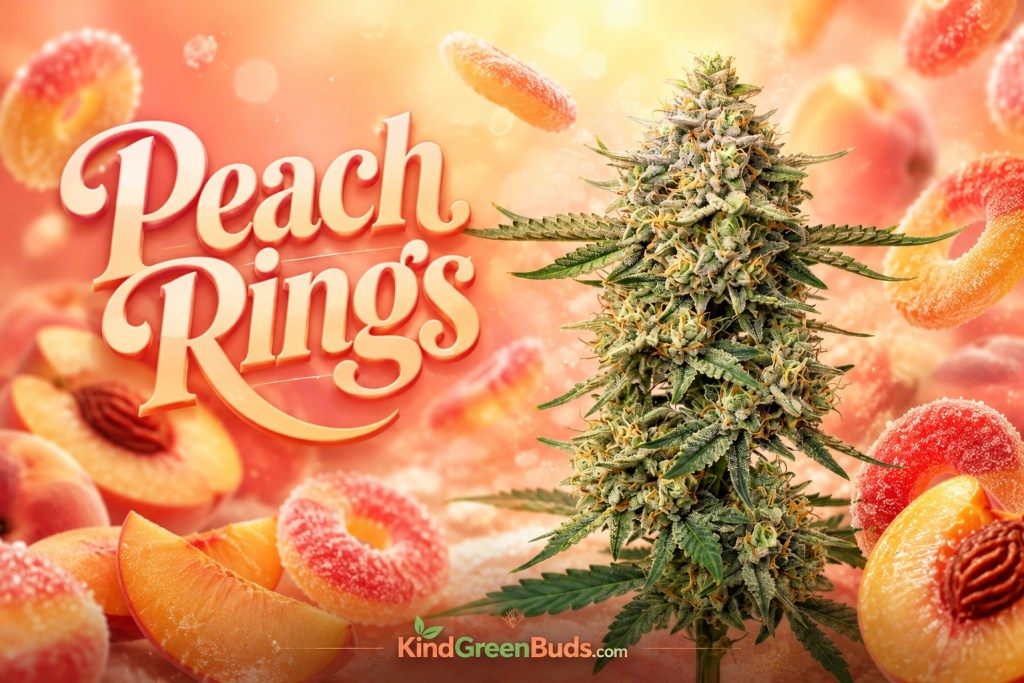
Some marijuana strains acquire candy-inspired names as a convenient description after the fact. Peach Rings has a stronger claim to its name. Properly cultivated flower can develop an unusually convincing mixture of ripe stone fruit, sugary candy, tart citrus, and faint fuel that recalls opening a bag of peach gummy rings without reducing the aroma to simple sweetness. More commonly written Peach Ringz in breeder circles, the original cultivar comes from Dying Breed Seeds and combines Marionberry with Eddy OG.
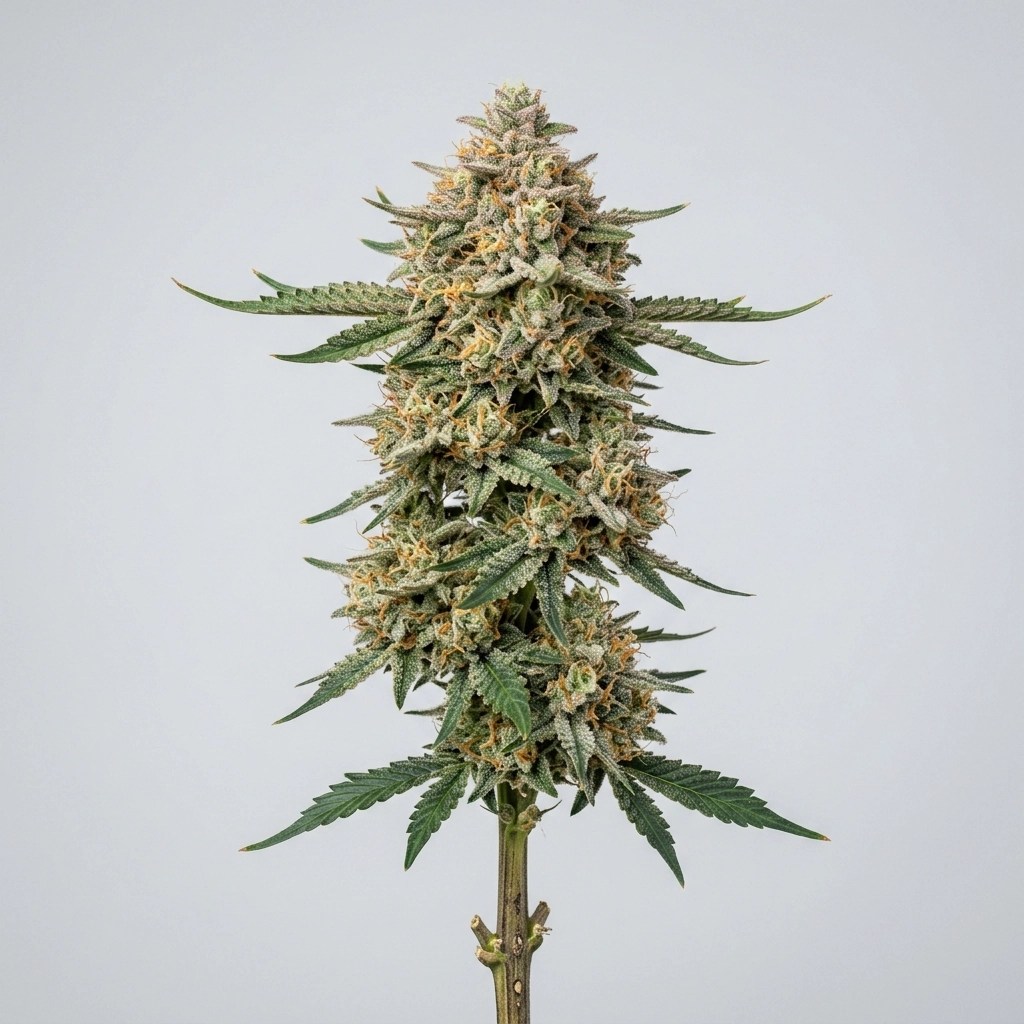
That pairing created an indica-leaning hybrid whose appeal extends beyond flavor: resin-heavy flowers, a comfortable balance between mental brightness and body relaxation, and genetics influential enough to appear in numerous later breeding projects. Authentic seed listings identify the original cross as Marionberry × OG Eddy, confirming the Dying Breed pedigree rather than several unrelated crosses occasionally sold under similar names.
Genetics and Lineage
The foundation of Peach Rings is Marionberry × Eddy OG, with Eddy OG also appearing under the names OG Eddy and Eddy Lepp OG. Dying Breed Seeds selected the combination in Northern California, producing the original strain from two parents that contribute distinctly different elements. Marionberry supplies much of the berry-rich sweetness and fruit depth, while Eddy OG reinforces the Kush side of the pedigree with denser flower structure, potency, tropical nuances, and a subtle fuel character. Multiple surviving listings for the original Dying Breed seed packs document this exact cross, making it the most reliable lineage for the cultivar.
Marionberry itself is commonly traced to Raspberry Kush × Space Queen, a pairing capable of producing dark-fruit, berry, spice, and sweet aromatic characteristics. Eddy OG brings another branch of West Coast marijuana history into the family. Often associated with Grape Ape and OG Kush genetics, it contributes a heavier physical character and the earthy-fuel undertone that prevents the finished hybrid from becoming one-dimensional candy weed. Together, those parents give the cultivar a profile in which peach may be the headline, but berry, citrus, tropical fruit, spice, and OG-style depth remain clearly present.
The importance of these genetics can also be seen in their later use by breeders. Peach Ringz appears in the ancestry of cultivars such as Peach Ozz and has been incorporated into additional fruit-focused breeding work, indicating that its recognizable terpene expression became valuable beyond the original release. This is especially significant because the original Dying Breed release consisted of regular seeds rather than a single universally identical clone. Different selections can therefore emphasize distinct sides of the pedigree, from bright peach candy to deeper berry, floral, or fuel-heavy expressions.
Effects and Experience
The experience usually begins above the shoulders. A gradual cerebral lift can sharpen interest in music, conversation, food, or whatever activity already has the consumer’s attention. Mood often becomes lighter before substantial physical heaviness develops, which gives moderate doses a surprisingly functional opening for an indica-leaning cultivar. Focus may remain intact during this first stage, although the sensation tends to feel more easygoing than intensely energetic. Contemporary strain databases commonly characterize the experience with happy, focused, relaxed, or tingling qualities.
With time, the center of gravity moves downward. Shoulders may loosen, the body begins to feel heavier, and the bright early buzz settles into a slower rhythm. That progression makes this hybrid particularly well suited to late afternoon or evening consumption. At a moderate dose, it can complement movies, gaming, music, casual socializing, or simply unwinding without forcing immediate sleep. Increase the amount substantially, however, and the relaxing half of the genetics becomes much more prominent.
Potency varies considerably between growers and phenotypes. Many descriptions place Peach Rings around the 19–24% THC range, while individual legal-market batches have tested substantially higher; one recent retail example listed 30% THC. Because of that variability, the laboratory label on a particular batch matters more than a strain-wide average. Dry mouth and dry eyes are common possibilities with strong cannabis, while excessive THC can bring dizziness, temporary anxiety, mental fog, or uncomfortable sedation in sensitive consumers.
Medical Benefits
For medical marijuana consumers, the appeal lies largely in the transition between mental relief and physical calm. Someone trying to decompress after a stressful day may appreciate that the strain does not necessarily begin with overwhelming heaviness. The initial change in mood can make stressful thoughts feel less consuming, while the later body effect may help create a more comfortable environment for resting. Consumer survey data associated with this cultivar frequently mentions stress, anxiety, and low mood, although those reports should be viewed as personal experiences rather than proof of treatment effectiveness.
Physical discomfort represents another commonly discussed use. As the high matures, the body’s increasing sense of relaxation may be attractive to people dealing with everyday soreness, muscular tension, or general discomfort. Appetite can also become more noticeable later in the session, particularly with larger doses. Because stronger servings may become substantially sedating, some consumers reserve the strain for nighttime when staying productive is no longer important.
No cannabis strain should be treated as a standardized medication simply because it carries a familiar name. THC concentration, minor cannabinoids, terpene levels, growing conditions, and individual biology can all alter the experience. Anyone using marijuana for persistent pain, anxiety, insomnia, appetite problems, or another medical condition should rely on professional medical guidance rather than strain reputation alone.
Flavor Profile and Aroma
Peach is unmistakably the central theme, but the better examples offer much more than artificial fruit sweetness. Opening a properly cured jar can release an immediate wave of peach candy followed by citrus peel, tropical fruit, and dark berry. Let the flower sit exposed to air for a moment and a second layer often emerges: earthy Kush, peppery spice, mild florals, and just enough fuel to add contrast. That combination is why the cultivar can smell simultaneously like gummy candy and traditional cannabis.
Limonene is frequently identified as the dominant terpene and makes sense alongside the strain’s tart citrus and bright fruit characteristics. Caryophyllene can contribute peppery warmth and spice, while myrcene fits the deeper earthy, herbal, and ripe-fruit background. Terpene percentages are not genetically fixed, however. Nutrient strategy, environmental conditions, harvest maturity, drying, storage, and phenotype selection can all shift the final laboratory profile.
On the palate, sweetness tends to arrive first. Peach nectar and sugary candy can transition into citrus, berry, and tropical fruit before the exhale reveals earthier OG influence. Some flowers finish with floral spice; others leave behind a lightly diesel or peppery note. Vaporization at lower temperatures may preserve more of the delicate fruit character, while combustion often emphasizes the earth, spice, and fuel underneath.
Growing Information
Peach Rings is considered a moderately challenging plant rather than an unforgiving one. Authentic Dying Breed genetics were released as regular photoperiod seeds, meaning growers working from original stock must identify and remove unwanted male plants unless breeding is the goal. The plants generally develop a manageable hybrid structure with sufficient lateral growth for topping, low-stress training, or a Screen of Green arrangement. Dense, resinous flowers are part of the cultivar’s appeal, and modern seed-bank references place indoor flowering at roughly 8–9 weeks with medium yield potential.
Canopy management becomes increasingly important as flowering progresses. Removing weak interior growth allows more light and air to reach productive bud sites, while adequate spacing reduces stagnant humidity around developing flowers. Because fruit-heavy terpene profiles are one of the main reasons to grow this plant, cultivators should resist the temptation to push environmental conditions solely for maximum biomass. Stable temperatures, good root-zone health, appropriate nutrition, and a careful dry and cure are particularly important for retaining the volatile peach and citrus components after harvest.
Exact yield numbers were not published with the original Dying Breed packs, so figures circulating for this cultivar should be treated as estimates rather than breeder guarantees. Roughly 450–600 g/m² indoors is a practical target in an optimized setup, while mature outdoor plants may produce approximately 500–800 g each when given strong sunlight, adequate root volume, and a favorable season. Outdoor harvest generally falls around late September into early October, although latitude, weather, planting date, and phenotype can shift maturity.
FAQ
Is Peach Rings indica or sativa?
Peach Rings is generally considered an indica-leaning hybrid, often described as approximately 60% indica and 40% sativa. The effects can nevertheless feel fairly balanced early on, beginning with cerebral uplift before developing greater physical relaxation.
What are the genetics of Peach Rings?
The original Dying Breed Seeds cultivar is Marionberry × Eddy OG, also called OG Eddy or Eddy Lepp OG. Original seed listings consistently document this parentage.
Who bred Peach Rings?
Dying Breed Seeds created the original Peach Ringz cultivar. The breeder is closely associated with Northern California cannabis genetics and released the strain in regular seed form.
How strong is Peach Rings weed?
THC commonly falls somewhere around 19–24%, although individual cultivation batches can test higher. Potency therefore should be judged from a current laboratory analysis rather than the strain name alone.
What does Peach Rings taste like?
Its signature profile combines sweet peach candy, tropical fruit, citrus, berries, floral spice, earth, and mild fuel. Some phenotypes taste almost like peach gummies, while others reveal considerably more OG influence on the finish.
Final Thoughts on Peach Rings
Peach Rings earned its reputation by delivering something many candy-named cannabis strains only suggest: a genuinely distinctive confectionery terpene profile backed by serious breeding genetics. Dying Breed Seeds’ combination of Marionberry and Eddy OG produces more complexity than the name initially implies, layering juicy stone fruit and tropical sweetness over citrus, berries, spice, earth, and subtle gas. The result is flavorful without abandoning the deeper character expected from potent marijuana.
Its effects follow a similarly layered path. Mental brightness and good-humored relaxation generally occupy the opening phase before the body becomes progressively calmer and heavier, giving the cultivar versatility at moderate doses and considerably more nighttime potential when consumed heavily. Add an eight- to nine-week flowering window, thick resin production, and useful breeding pedigree, and Peach Rings becomes more than another novelty candy strain. For consumers who prioritize fruit-forward cannabis and growers interested in distinctive terpene genetics, the original Dying Breed version remains a noteworthy modern hybrid.


