

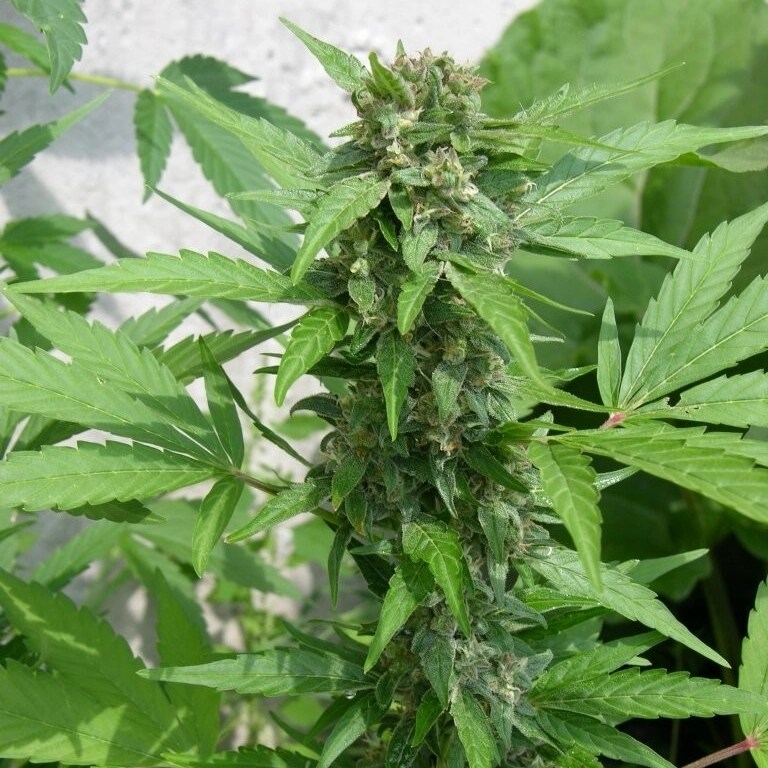
- Strain Type: 60% Indica / 40% Sativa
- Genetics: Haze / Skunk × Master Widow
- Breeder: De Sjamaan Cannabis Seeds
- THC Content: 26%
- CBD Content: Medium
- Terpene Profile: myrcene, pinene, caryophyllene
- Primary Flavors: Fresh fruit, sweet citrus, juicy herbs
- Flowering Time (Indoor): 8–9 weeks
- Outdoor Harvest Time: September to October
- Indoor Yield: Up to 500 g/m²
- Outdoor Yield: Moderate
- Grow Difficulty: Moderate
Easy Rider belongs to an older school of cannabis breeding in which the goal was not simply maximum THC or dessert-like flavor. Its character comes from combining energetic Haze and Skunk influences with the heavier resin production associated with Master Widow, creating marijuana that can feel mentally lively without abandoning physical relaxation. The cultivar has remained interesting because it occupies a useful middle ground: stimulating enough for conversation and creative activity, yet generally smoother and less relentlessly cerebral than a pure Haze. Dense, sugar-coated flowers and a fresh fruit-forward aroma add to its classic appeal.
There are several unrelated cannabis varieties that have appeared under the Easy Rider name, so genetics matter when identifying the plant. The version covered here is the De Sjamaan cultivar, which the breeder currently identifies as Haze/Skunk crossed with Master Widow and approximately 60% indica and 40% sativa. De Sjamaan also describes an 8–9 week flowering period and a September-to-October outdoor harvest window. This should not be confused with the separate Ruderalis × Skunk autoflower sold under the same name by Ceres Seeds.
Genetics and Lineage
At the foundation of Easy Rider is a Haze/Skunk combination, two genetic families that helped define Dutch cannabis breeding. Haze contributes the potential for an expansive cerebral quality, taller growth tendencies, aromatic sharpness, and a more animated experience. Skunk genetics add greater flower density, stronger branching, dependable vigor, and the unmistakable sweet-funky edge that made the family so influential. Crossing those traits with Master Widow changes the balance considerably, introducing more body, resin coverage, and weight to both the plant and the finished weed.
De Sjamaan officially lists the genetic background as Haze/Skunk × Master Widow. Master Widow belongs to the broader Widow breeding tradition, valued for heavily frosted flowers and a combination of cerebral potency and physical calm. In Easy Rider, that influence helps restrain some of the lankier qualities commonly associated with Haze while preserving enough sativa expression to keep the experience bright. Phenotypes can still vary, particularly because the cultivar has traditionally been offered as regular seed rather than as a highly uniform modern clone line.
Effects and Experience
The experience tends to develop in stages rather than arriving as an immediate wall of sedation. Early effects are usually centered in the head, where attention may feel sharper and ordinary activities become more engaging. Conversation, music, creative work, walking, and casual social settings are natural fits for this style of cannabis. The breeder characterizes the effect as motivating, mentally relaxing, and more oriented toward a high than a deeply immobilizing stone. That description fits the genetic architecture: Haze supplies movement while Widow and Skunk keep the experience grounded.
As the session develops, the indica side becomes easier to notice. Muscular tension can soften, the pace of thought becomes less urgent, and the initial mental spark settles into a comfortable cruising state. Moderate amounts may therefore work well during the afternoon or early evening, while heavier consumption can shift the balance toward slower movement and deeper relaxation. Because no standardized potency figure is supplied by the breeder, consumers should not assume that every batch has identical strength. Cultivation, phenotype, harvest timing, curing, and storage can all meaningfully change the final cannabinoid concentration.
Medical Benefits
Easy Rider has not been studied in controlled clinical trials as an individual cannabis cultivar, so medical claims should be kept separate from its traditional reputation. Based on its reported combination of mental uplift and physical relaxation, some medical marijuana consumers may find this type of effect useful when seeking temporary relief from stress, low mood, mental fatigue, or tension without immediately becoming heavily sedated. The more activating beginning may also be preferable to strongly narcotic weed for people who still want to remain involved in everyday activities.
Its later body relaxation may have additional appeal for consumers dealing with minor aches, muscular tightness, or difficulty settling down after a demanding day. Individual reactions can differ substantially, however, and cannabis that feels calming to one person may increase nervousness or mental overstimulation in another. Anyone using marijuana for a diagnosed medical condition should rely on professional medical guidance rather than strain descriptions alone, particularly when cannabinoid percentages and individual sensitivity are uncertain.
Flavor Profile and Aroma
Fresh fruit forms the center of Easy Rider’s aromatic identity. Rather than the heavy candy sweetness common in many newer hybrids, its scent leans toward juicy fruit, green herbs, citrus peel, and an underlying Skunk earthiness. Breaking apart well-cured flowers can reveal a sharper botanical layer, with touches of spice, fresh vegetation, and faint incense inherited from the Haze side. De Sjamaan specifically describes the cultivar as fruity and fresh, while earlier descriptions emphasized a juicy aroma and taste.
On the palate, sweetness usually arrives first before giving way to herbal and lightly peppered notes. A mild Skunk character can remain through the finish without completely dominating the fruit. No authoritative laboratory terpene profile has been published for this particular genetic line, making precise claims about dominant terpenes inappropriate. Myrcene, pinene, caryophyllene, and limonene would be reasonable candidates given the sensory characteristics and lineage, but actual terpene dominance should be determined from a tested flower sample rather than assumed from the strain name.
Growing Information
Easy Rider can be cultivated indoors or outside, although growers should leave room for considerable vertical variation. De Sjamaan lists indoor plants at roughly 75–200 centimeters and outdoor examples around 150–200 centimeters, indicating that phenotype and vegetative time can strongly influence final size. Haze-influenced individuals may stretch noticeably after flowering begins, making early training useful where legal cultivation space is limited. Topping, low-stress training, or carefully managed screen techniques can spread the canopy while preventing vigorous upper branches from dominating available light.
Flowering generally requires around eight to nine weeks according to the breeder’s current specifications, with outdoor plants finishing during September or October. An archived breeder description has placed indoor production as high as approximately 500 grams per square meter under suitable conditions. The buds can become substantial and heavily coated with resin, so good airflow deserves attention late in bloom, particularly where humidity rises around dense flower clusters. Outdoors, adequate sun exposure and protection from prolonged autumn moisture become increasingly important as harvest approaches.
Feeding is best handled progressively rather than aggressively. Haze-derived plants can sometimes react poorly to unnecessarily heavy nutrient concentrations, while the more robust Skunk and Widow side may tolerate stronger fertility once growth is established. Allowing the root zone to dry appropriately between irrigation cycles helps maintain oxygen availability and reduces unnecessary stress. Overall, the cultivar is manageable for growers with some experience, but its possible stretch and phenotype variation make canopy planning more important than the relaxed name might suggest.
FAQ
Is Easy Rider an indica or sativa?
The De Sjamaan version is currently described by the breeder as approximately 60% indica and 40% sativa. Its effects nevertheless retain considerable sativa character, particularly during the beginning of the experience, when mental stimulation and motivation can be more noticeable than physical heaviness.
What are the genetics of Easy Rider?
Easy Rider from De Sjamaan is a cross of Haze/Skunk and Master Widow. Other breeders have released unrelated cannabis plants under the same name, so checking the breeder is essential when comparing genetics.
How long does Easy Rider take to flower?
Indoor flowering typically takes about eight to nine weeks. Outdoor crops are generally ready between September and October, although latitude, weather, phenotype, and planting date can shift the precise harvest period.
What does Easy Rider weed taste like?
Its profile centers on fresh and fruity flavors accented by sweet citrus, herbs, mild spice, and an earthy Skunk undertone. The aroma is more characteristic of classic Dutch breeding than the intensely sugary dessert profiles common among many contemporary marijuana hybrids.
Is Easy Rider good for daytime use?
Moderate servings may suit daytime or afternoon use for experienced consumers because the early portion of the high can feel clear, creative, and motivating. Larger amounts may bring considerably more physical relaxation, making dosage an important factor when productivity is the goal.
Final Thoughts on Easy Rider
Easy Rider represents an era of cannabis genetics built around recognizable Haze, Skunk, and Widow characteristics rather than extreme cannabinoid numbers or novelty flavor names. Its strongest quality is balance. Cerebral energy gives the experience movement, while the heavier side of the lineage prevents the high from becoming excessively sharp. Add fresh fruit, herbal Skunk complexity, substantial resin production, and an indoor flowering period of roughly two months, and the result is a versatile hybrid with genuine classic-marijuana character.
For growers and enthusiasts interested in established Dutch genetics, this cultivar deserves attention precisely because it does not fit neatly into a single category. It can be stimulating without behaving like a pure sativa, relaxing without immediately producing couch-lock, and flavorful without relying on overwhelming sweetness. Just remember that the Easy Rider name has been reused by multiple breeders; identifying the De Sjamaan Haze/Skunk × Master Widow line is essential when discussing this particular strain.


