Cannabis plants are highly responsive to their environment, and one of the most noticeable signs of stress is leaf curling—especially when leaves begin to curl upward like tacos under LED lighting. This symptom is commonly referred to as “tacoing” or “canoeing,” and it’s often a direct response to light intensity, heat, or environmental imbalance rather than a single isolated issue.
Under LED grow lights, this problem can appear quickly because modern fixtures are extremely powerful and efficient. While LEDs produce less radiant heat than traditional HID lighting, they can still create intense light energy at the canopy level. When cannabis plants receive more light than they can process, they attempt to protect themselves by reducing surface area, causing the leaves to curl upward. Understanding why this happens—and how to fix it—is key to maintaining healthy, high-yielding plants.
Light Intensity Stress: The Primary Cause
The most common reason cannabis leaves curl upward under LED lights is excessive light intensity. LEDs deliver high levels of PAR (photosynthetically active radiation), and when plants are exposed to too much light, they become overwhelmed. This leads to stress responses like upward leaf curling, bleaching, and slowed growth.
Unlike older lighting systems, LEDs can appear less intense to the human eye while still delivering extremely high PPFD levels. Growers often underestimate how powerful their lights are and place them too close to the canopy. As a result, the upper leaves begin to curl upward in an effort to reduce light exposure and limit further damage.
To fix this issue, increase the distance between your LED light and the canopy. Most LED manufacturers provide recommended hanging heights for each growth stage—typically 18–24 inches for vegetative growth and slightly higher for young plants. If your light has a dimmer, reducing intensity can also help. Monitoring PPFD levels with a light meter can give you precise control and prevent future stress.
Heat Buildup at the Canopy Level
Even though LEDs run cooler than HID lights, they can still create localized heat zones directly under the fixture. When this heat accumulates at the canopy level, it can cause leaves to curl upward as the plant tries to conserve moisture and protect itself from excessive transpiration.
This type of stress is often accompanied by other symptoms such as dry leaf edges, slight wilting, or slowed growth. In some cases, growers may not realize that the temperature at the canopy is significantly higher than the ambient room temperature, especially if airflow is inadequate.
Improving air circulation is one of the most effective solutions. Oscillating fans help disperse heat and prevent hotspots from forming under the light. Additionally, maintaining proper exhaust ventilation ensures that warm air is removed from the grow space efficiently. Keeping canopy temperatures between 72–82°F during vegetative growth will help prevent heat-related leaf curling.
Low Humidity and VPD Imbalance
Humidity plays a critical role in how cannabis plants regulate water loss and nutrient uptake. When humidity levels are too low, especially under strong LED lighting, plants can experience excessive transpiration. This leads to upward leaf curling as the plant attempts to reduce water loss.
This issue is closely tied to vapor pressure deficit (VPD), which measures the relationship between temperature and humidity. When VPD is too high—meaning the air is too dry—plants lose moisture faster than they can replace it. The result is stress that often shows up as curling leaves, particularly at the top of the canopy.
To correct this, increase relative humidity during the vegetative stage to around 55–70%. Using a humidifier can help stabilize the environment, especially in dry indoor grow spaces. Monitoring VPD charts and adjusting both temperature and humidity accordingly will create a more balanced environment where plants can thrive under LED lighting.
Overfeeding and Nutrient Imbalances
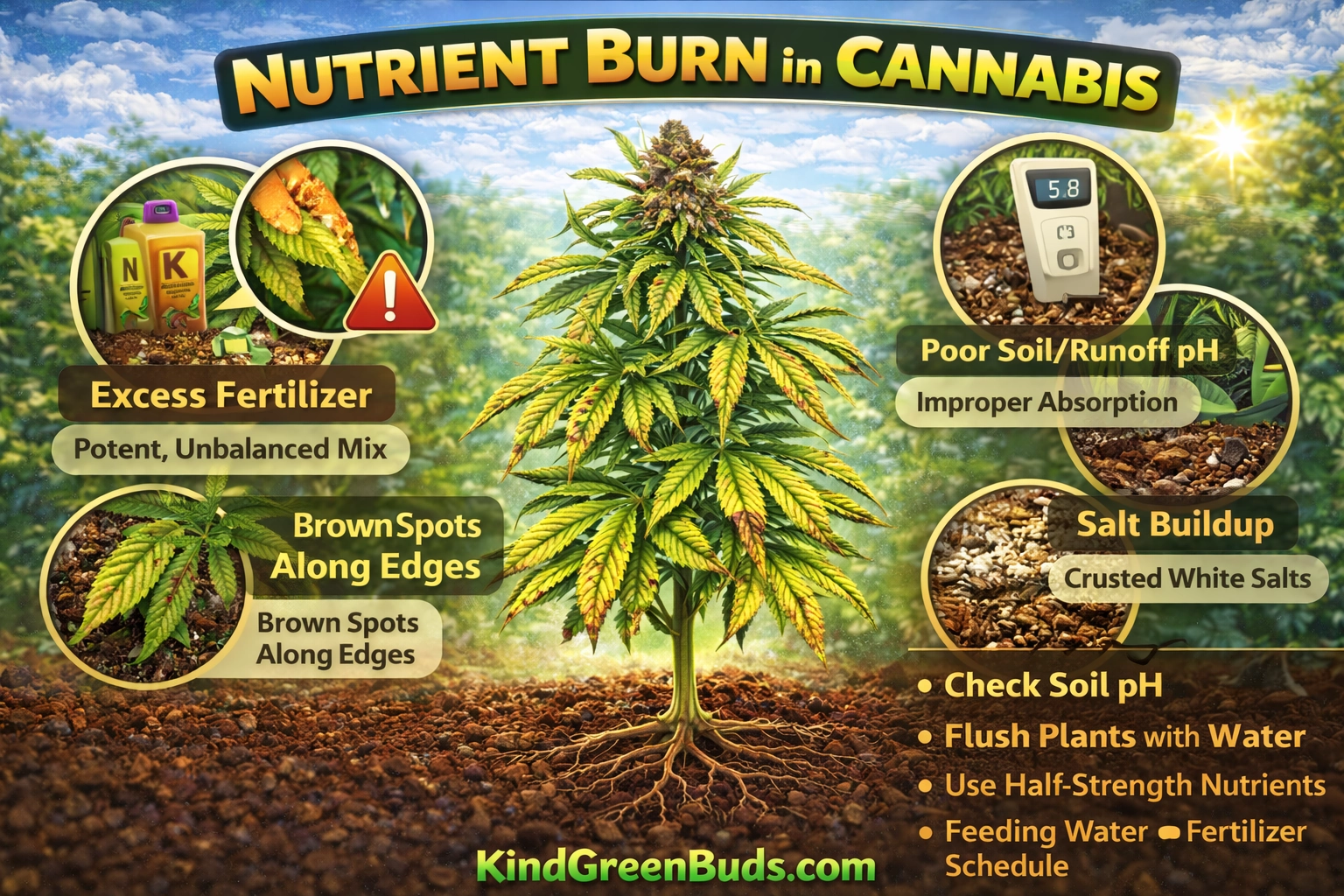
While light and environment are the primary drivers of leaf curling under LEDs, nutrient issues can also contribute. Overfeeding—especially with nitrogen—can cause leaves to curl, claw, or twist. When combined with high light intensity, this effect can become more pronounced.
Nutrient toxicity often presents as dark green leaves with a glossy appearance, followed by curling at the tips or edges. This can be mistaken for light stress, but the underlying cause is an excess of nutrients in the root zone. In some cases, salt buildup in the growing medium can further exacerbate the problem by restricting water uptake.
If you suspect overfeeding, reduce your nutrient strength and consider flushing the medium with pH-balanced water. Gradually reintroduce nutrients at a lower concentration to avoid shocking the plant. Maintaining a balanced feeding schedule that matches the plant’s growth stage is essential for preventing this issue.
Genetics and Natural Leaf Behavior
Not all leaf curling is a sign of a problem. Some cannabis strains naturally exhibit slight upward curling, especially under intense lighting conditions. Sativa-dominant varieties, in particular, may show this behavior as part of their adaptation to high-light environments.
The key is distinguishing between natural leaf posture and stress-induced curling. Healthy plants with slight upward leaf angles will still display vibrant color, strong growth, and no signs of damage. In contrast, stressed plants will show additional symptoms such as discoloration, slowed development, or leaf damage.
Observing the overall health of the plant is crucial. If curling is minimal and growth remains vigorous, there may be no need for corrective action. However, if the curling is severe or accompanied by other issues, it’s important to investigate further.
How to Fix Cannabis Leaves Curling Under LEDs
Addressing leaf curling requires a holistic approach that considers light, temperature, humidity, and nutrients together. Start by adjusting your LED light height and intensity to ensure plants are not receiving excessive light. This is often the quickest and most effective fix.
Next, evaluate your environmental conditions. Check canopy temperatures, improve airflow, and adjust humidity levels to bring VPD into an optimal range. Small changes in these factors can have a significant impact on plant health and reduce stress symptoms.
Finally, review your feeding schedule and ensure your plants are not being overfed. Consistency is key—sudden changes can create additional stress. By making gradual adjustments and closely monitoring your plants, you can restore healthy leaf structure and encourage vigorous growth.
Final Thoughts
Cannabis leaves curling up under LED lights is a common issue, especially for growers using modern high-powered fixtures. While it can be concerning at first, it’s usually a manageable problem caused by light intensity, environmental imbalance, or nutrient excess.
The most important takeaway is that growing cannabis plants are highly responsive and will quickly show signs of stress when conditions are off. By learning to read these signals and making precise adjustments, you can create an optimal growing environment that maximizes both plant health and yield.