- Strain Type: 50% indica / 50% sativa
- Genetics: Cherry Pie × Black Lime Reserve
- Breeder: Mean Gene from Mendocino
- THC Content: 20–26%
- CBD Content: Typically below 1%
- Terpene Profile: Limonene, caryophyllene, myrcene
- Primary Flavors: Tart lime, sweet cherry, citrus peel
- Flowering Time (Indoor): 7–9 weeks
- Outdoor Harvest Time: Late September to early October
- Indoor Yield: 400–550 g/m²
- Outdoor Yield: 500–750 g per plant
- Grow Difficulty: Moderate
Cherry Limeade predates much of today’s rush toward candy-named marijuana strains, yet its terpene profile could easily compete with modern fruit-focused genetics. Created in Northern California by respected breeder Mean Gene from Mendocino, the cultivar brings together Cherry Pie and Black Lime Reserve in a combination that emphasizes tart citrus, ripe cherry, earth, and an unusual depth of lime peel.
Its reputation was established in competition rather than simply through clever branding: Cherry Limeade placed third at the 2013 Emerald Cup and later took first place in the flower category at the 2015 event. Behind that distinctive aroma is a balanced cannabis hybrid capable of delivering an alert, sociable beginning before gradually settling into a calmer physical state. Potent without automatically becoming incapacitating, flavorful without tasting one-dimensional, and backed by important Northern California breeding history, this cultivar remains relevant long after its original competition appearances.
Genetics and Lineage
The original Cherry Limeade comes from Cherry Pie × Black Lime Reserve, a pairing created by Mean Gene during his work connected with Aficionado Seeds. Mean Gene later established Freeborn Selections, and the cultivar continued to appear throughout his breeding work, which is why both Aficionado and Freeborn are sometimes associated with the name. Historical Emerald Cup records identify Mean Gene’s Cherry Limeade among the award-winning flowers of the period, while later breeding projects from Freeborn continued using the genetic line. For strain-reference purposes, the most accurate attribution is therefore Mean Gene from Mendocino, with Aficionado representing the operation under which the original cultivar became widely recognized.
Cherry Pie brings a complex California pedigree generally associated with Durban Poison and Granddaddy Purple genetics. Its contribution reaches beyond cherry flavor. Dense flower development, sweet dark fruit, earthy dough, and a balanced cerebral-to-physical effect are all characteristics that can emerge from this side of the family. Black Lime Reserve provides a much sharper contrast. Built from old Northern California genetics with Lime Afghani, Northern Lights, Purple Kush, and Chemdawg influences in its broader ancestry, Black Lime Reserve is valued for pungent lime rind, pine, hash, fuel, spice, and unusually penetrating aromatic intensity.
Combining the two produced more than an obvious cherry-and-lime flavor experiment. Cherry Pie softened the harsher lime, earth, and fuel qualities of Black Lime Reserve, while the latter sharpened Cherry Pie’s sweeter profile with acidic citrus and old-school cannabis funk. Individual selections can move toward either parent. Some emphasize sour lime zest and earthy hash, while others present sweeter cherries, fruit, and floral undertones. That variation is important when comparing different examples sold under the Cherry Limeade name, particularly because the original genetic work predates the modern era of highly standardized commercial clone production.
Effects and Experience
The first portion of the experience tends to arrive with noticeable mental momentum. Rather than immediately creating physical heaviness, the strain can produce a clear change in mood accompanied by greater sociability, amusement, and interest in whatever is happening around the consumer. Conversation often feels easy, music becomes more absorbing, and creative or recreational activities may gain an extra layer of engagement. The effect can be lively without reaching the aggressive stimulation associated with particularly racy sativas.
Physical relaxation gradually joins the cerebral lift instead of replacing it abruptly. A loose sensation through the shoulders and limbs can develop while the mind remains reasonably engaged, creating a useful middle ground between daytime marijuana and a heavy evening indica. Moderate consumption may fit social gatherings, concerts, outdoor leisure, gaming, or a relaxed afternoon. The original cultivar has even been described by its breeder in terms of unusually persistent aromatic and experiential intensity, characteristics that helped it stand apart in competitive cannabis circles.
Larger doses tell a different story. Once enough THC accumulates, the Black Lime Reserve and Cherry Pie ancestry can produce considerably more body weight and mental haziness. The early talkative quality may give way to quiet relaxation, appetite, and a desire to settle into a comfortable place. THC concentrations vary substantially by grower, but potent examples frequently fall into the 20% range and may climb into the mid-20s. Dry mouth and red eyes are common possibilities, while excessive consumption can lead to dizziness, anxious thinking, or temporary mental disorientation in THC-sensitive individuals.
Medical Benefits
The balanced progression makes this cultivar particularly interesting to medical marijuana consumers who want relief without beginning the experience in a heavily sedated state. Stress and accumulated tension are among the most logical reasons people choose this type of cannabis. The initial elevation in mood can help create psychological distance from a demanding day, while the slower physical component may encourage the body to relax once the cerebral phase has stabilized.
Aches and physical tension may also feel less intrusive after the body effect develops. For that reason, some medical cannabis consumers choose balanced high-THC hybrids for minor musculoskeletal discomfort, soreness after activity, or situations where relaxation is desirable without immediately going to sleep. Appetite stimulation may become stronger as the dose increases, and heavier evening consumption can eventually produce enough physical calm to make bedtime more appealing.
Those effects should not be confused with clinical evidence that Cherry Limeade treats pain, anxiety, insomnia, depression, or another medical condition. A strain name does not guarantee a standardized chemical composition, and two harvests carrying the same label can contain different concentrations of THC, minor cannabinoids, and terpenes. Medical consumers should consider laboratory results, personal THC sensitivity, medication interactions, and professional healthcare advice rather than choosing marijuana solely by reputation.
Flavor Profile and Aroma
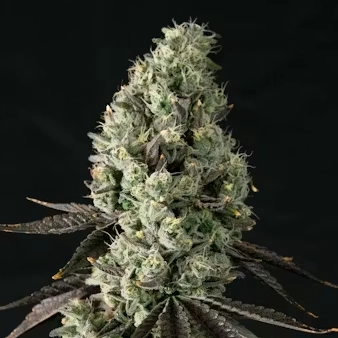
Fresh lime peel is often the first aromatic impression. Not lime candy exactly, but something sharper—green citrus rind, acidic juice, and an almost resinous zest. Sweet cherry follows underneath, giving the aroma enough fruit to soften the intensity without erasing the earthier character inherited from Black Lime Reserve. Grinding the flower can uncover pepper, damp soil, pine, herbal notes, and occasional traces of fuel or hash.
Limonene is the terpene most naturally associated with the cultivar’s vivid citrus profile, while caryophyllene can contribute pepper and woody spice. Myrcene complements the heavier side with earthy, herbal, and musky elements. Depending on phenotype and growing environment, pinene or linalool may appear in smaller proportions and introduce fresh forest or floral accents. Actual terpene percentages should always be determined from laboratory testing because environmental conditions can meaningfully alter the final aromatic composition.
Flavor has a pronounced sweet-and-sour contrast. Lime and tart citrus often dominate the inhale before darker cherry and berry sweetness develops across the palate. The exhale can become surprisingly earthy, leaving traces of pepper, hash, pine, and faint diesel rather than ending like fruit candy. That layered finish separates authentic examples from weed that simply carries a Cherry Limeade marketing label. A slow, controlled cure helps enormously; poor storage can strip away the volatile citrus compounds and leave behind a much flatter earthy profile.
Growing Information
Northern California sun-grown cannabis played an important role in Cherry Limeade’s history, and its Emerald Cup success demonstrates that the genetics can perform exceptionally well outdoors in an appropriate environment. Mediterranean-style conditions with warm days, strong sunlight, cooler nights, and relatively dry weather as harvest approaches suit the plant particularly well. Indoors, growers can expect a medium-sized hybrid with enough branching to respond favorably to topping and low-stress training.
Flowering is generally estimated at roughly seven to nine weeks, with some selections finishing toward the faster end of that range. Buds can become dense and resinous, so airflow through the interior canopy deserves attention during late flowering. Selective pruning beneath the canopy helps redirect energy toward productive tops while reducing humid pockets around shaded vegetation. Stable temperatures are preferable to deliberately stressing the plant for coloration; genetically inclined phenotypes can develop attractive dark, purple, or golden tones naturally as maturity approaches.
Reliable breeder-issued yield figures from the original release are limited. Under optimized indoor lighting, approximately 400–550 g/m² is a sensible expectation rather than a guaranteed number. Outdoor plants with substantial root space and a long growing season may reach roughly 500–750 g per plant, with experienced cultivators potentially exceeding that under exceptional conditions. Northern Hemisphere harvest typically arrives around late September through early October. Growers should judge readiness by trichome development and flower maturity rather than relying exclusively on a calendar date.
FAQ
Is Cherry Limeade indica or sativa?
The original Cherry Limeade is generally regarded as a balanced hybrid, approximately 50% indica and 50% sativa. Its effects reflect that balance, often beginning with an uplifting cerebral phase before becoming more physically relaxing.
What are the genetics of Cherry Limeade?
The established original lineage is Cherry Pie × Black Lime Reserve. The pairing combines Cherry Pie’s sweet fruit and balanced effects with the penetrating lime, earth, pine, and fuel qualities associated with Black Lime Reserve.
Who created the Cherry Limeade strain?
Mean Gene from Mendocino created the cultivar during his association with Aficionado Seeds. Mean Gene later founded Freeborn Selections, which explains why both names appear in discussions of Cherry Limeade genetics and descendants.
How strong is Cherry Limeade weed?
Many examples fall around 20–26% THC, although potency can vary considerably according to phenotype, cultivation, harvest maturity, and testing laboratory. Consumers should use the cannabinoid analysis on the specific product whenever available.
Has Cherry Limeade won cannabis awards?
Yes. Mean Gene’s Cherry Limeade earned third place at the 2013 Emerald Cup and later captured first place in the flower category at the 2015 Emerald Cup, helping establish the cultivar as an important Northern California competition strain.
Final Thoughts on Cherry Limeade
Cherry Limeade offers a useful reminder that sophisticated fruit terpenes existed well before today’s market became dominated by candy, dessert, and beverage-inspired weed names. Mean Gene’s pairing of Cherry Pie with Black Lime Reserve produced a profile that feels unusually complete: sour lime zest and sweet cherry at the surface, followed by earth, spice, hash, pine, and fuel underneath. Its competition history gives the strain additional credibility, with major Emerald Cup placements demonstrating that the cultivar earned recognition based on actual flower quality rather than name recognition alone.
The effects are equally well balanced. Mental uplift and sociability provide the opening act, while a slower wave of bodily relaxation prevents the experience from becoming overly stimulating. For growers, the relatively manageable flowering period, resin production, outdoor pedigree, and aromatic intensity provide plenty of reasons to preserve a good phenotype. For consumers, the combination of refreshing citrus, dark fruit, substantial potency, and functional relaxation makes Cherry Limeade an enduring piece of Northern California cannabis breeding history rather than simply another fruit-flavored hybrid.