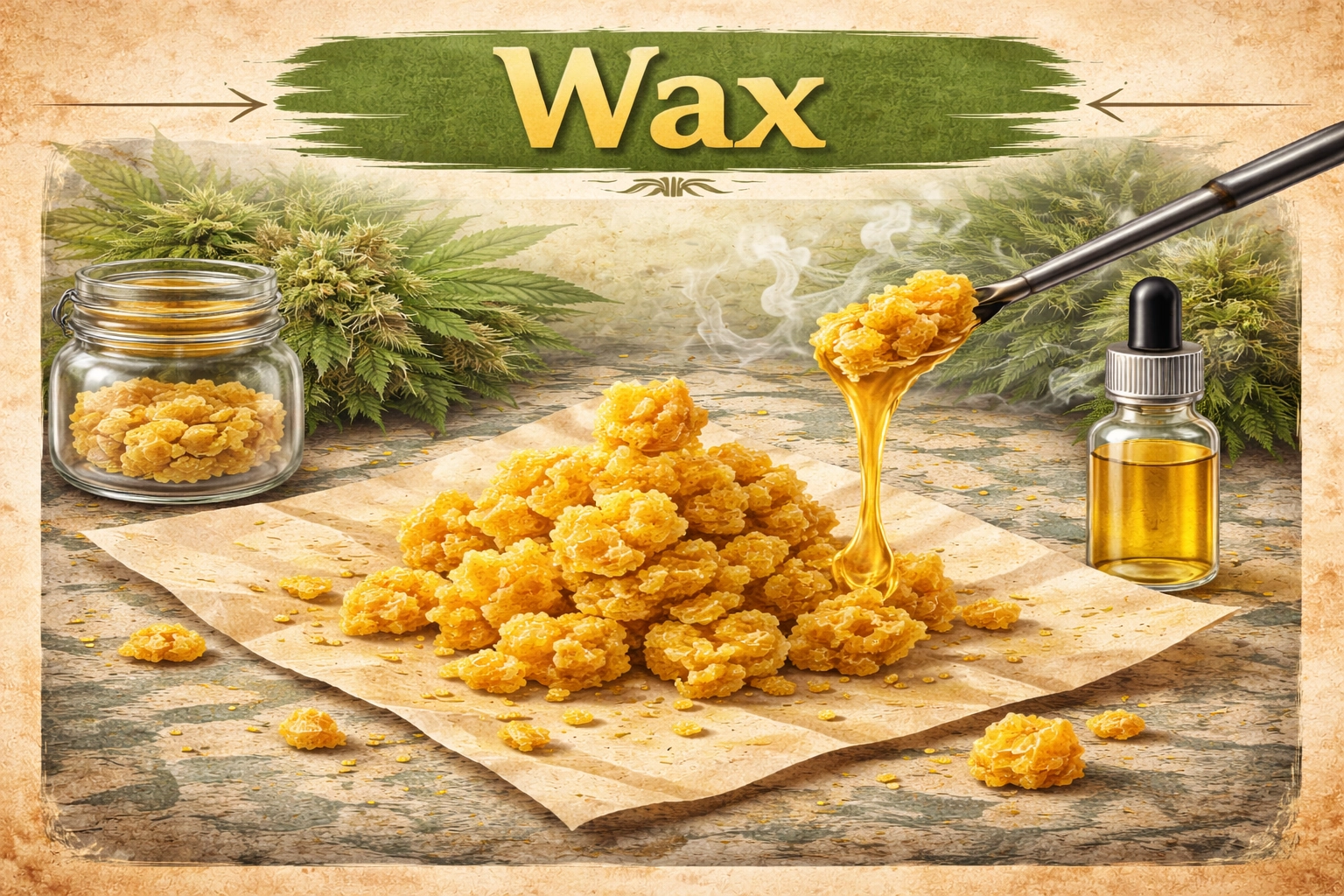
Rosin is a solventless cannabis concentrate made using only heat and pressure to extract cannabinoids and terpenes from cannabis flower, hash, or kief. Unlike solvent-based concentrates such as shatter or wax, rosin does not rely on chemical solvents like butane, propane, or CO₂. Instead, it uses mechanical force to squeeze resinous oils from plant material, producing a potent and aromatic extract.
Because of its simplicity and purity, rosin has become one of the most popular solventless concentrates in both home extraction and commercial cannabis markets.
How Rosin Is Made
The process of making rosin is straightforward in concept but requires careful temperature and pressure control for optimal results. Cannabis flower, dry sift, or hash is placed between parchment paper and pressed using a heated surface, commonly called a rosin press. When heat and pressure are applied, the trichomes rupture and release a sticky, resinous oil that seeps out onto the parchment.
The extracted oil is then collected and may be cured or whipped to achieve a desired texture. No solvents are introduced at any stage, which eliminates the need for purging residual chemicals. This simplicity is one of the reasons rosin is favored by consumers seeking minimally processed cannabis products.
Rosin can be produced at home using manual or hydraulic presses, though commercial operations use precise equipment to maintain consistency and preserve terpene content.
Potency and Cannabinoid Content
Rosin is significantly more potent than traditional cannabis flower. While flower typically contains 15–30% THC, rosin often ranges from 50% to 80% THC, depending on the starting material and extraction technique. When high-quality hash is used, potency can be even higher.
Because rosin retains a broad spectrum of cannabinoids and terpenes, many consumers believe it offers a more complete or “full-spectrum” experience compared to highly refined concentrates like distillate.
CBD-rich rosin products are also available, especially in medical markets.
Texture and Appearance
Rosin can vary in appearance depending on factors such as strain, moisture content, temperature, and post-processing techniques. It may appear as a sticky sap, creamy badder, or slightly crystalline material. Colors typically range from light golden to amber.
Freshly pressed rosin often has a translucent, glossy appearance. Over time, it may “cure” into a more opaque and creamy consistency as cannabinoids and terpenes stabilize.
Proper storage in a cool, dark place helps maintain texture, potency, and terpene profile.
How Rosin Is Consumed
Rosin is most commonly consumed through dabbing, which involves vaporizing a small amount on a heated surface and inhaling the vapor. Many users prefer lower dabbing temperatures to preserve terpene flavor and reduce harshness.
Portable vaporizers designed for concentrates can also be used with rosin, offering a more discreet and convenient option. Some consumers incorporate rosin into infused products, though inhalation remains the most common method.
Because rosin is concentrated, only small amounts are needed to achieve noticeable effects.
Rosin vs. Other Concentrates
The main distinction between rosin and other cannabis concentrates is the absence of chemical solvents. Shatter, wax, budder, and live resin typically rely on butane, propane, or CO₂ extraction. Rosin uses only heat and pressure.
Live rosin is a related product made from fresh-frozen cannabis that is first processed into ice water hash before being pressed. Traditional rosin, by contrast, is often made directly from dried flower or hash.
While solvent-based extracts can achieve very high THC percentages, many consumers choose rosin for its perceived purity and minimal processing.
Benefits and Considerations
Rosin’s solventless nature eliminates concerns about residual chemical solvents. It also allows consumers to better control extraction variables, especially in small-scale production.
However, potency remains high, and overconsumption can result in side effects such as anxiety, dizziness, or impaired coordination, particularly with high-THC varieties. Additionally, the quality of rosin depends heavily on the quality of the starting material. Poor-quality flower will yield lower-quality rosin.
As with all cannabis products, lab testing for potency and contaminants is recommended when purchasing commercially produced rosin.
The Bottom Line
Rosin is a solventless cannabis concentrate created using heat and pressure to extract cannabinoids and terpenes. Known for its purity, strong flavor, and high potency, it has become a popular alternative to solvent-based extracts.
While rosin offers a cleaner extraction method and full-spectrum experience, its strength requires mindful dosing. Understanding how rosin is made and how it compares to other concentrates helps consumers make informed choices in the evolving cannabis market.