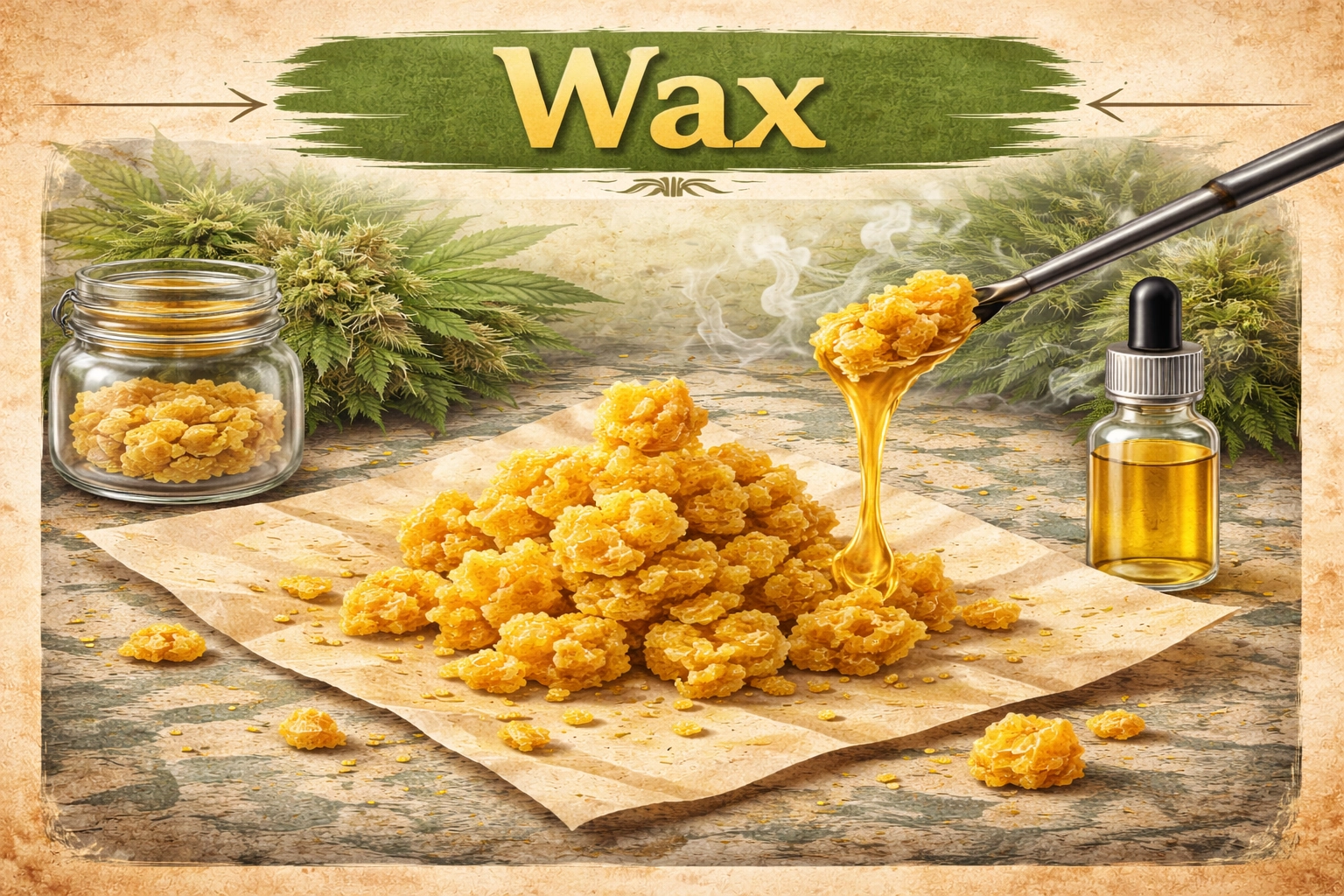
Butane extraction is one of the most widely used techniques for producing high-potency cannabis concentrates. Commonly referred to as BHO (Butane Hash Oil), this method uses liquid butane as a solvent to separate cannabinoids and terpenes from cannabis plant material. When performed in properly equipped, licensed facilities, it can produce highly potent and terpene-rich concentrates such as shatter, wax, budder, and live resin.
At its core, butane extraction is a chemical separation process. Cannabis contains desirable compounds like THC, CBD, and aromatic terpenes, along with less desirable plant components such as chlorophyll, cellulose, and excess lipids. The goal of extraction is to isolate the compounds responsible for effects and flavor while leaving behind as much unwanted material as possible. Butane is particularly effective for this because of its chemical properties.
The Chemistry Behind BHO
Butane is a non-polar hydrocarbon solvent. Cannabinoids and terpenes are also largely non-polar molecules, which means they dissolve readily in butane. This “like dissolves like” principle allows butane to efficiently strip resin glands (trichomes) from cannabis flower or trim without pulling as much water-soluble material as alcohol-based methods might.
Because butane has a relatively low boiling point, it can be evaporated off at low temperatures after extraction. This helps preserve volatile terpenes that contribute to aroma and flavor. When temperature and pressure are carefully controlled, the final product can retain much of the original plant’s terpene profile.
Step-by-Step Overview of the Process
The process begins with preparing cannabis material. For standard BHO, dried and cured flower or trim is loosely packed into an extraction column. For live resin products, freshly harvested cannabis is flash-frozen to preserve terpene content before extraction.
Liquid butane is then introduced into the sealed extraction system. As it passes through the plant material, it dissolves cannabinoids, terpenes, and certain waxes into a golden solution. This cannabinoid-rich liquid exits the extraction column and moves into a collection chamber.
At this stage, the mixture contains both dissolved cannabis compounds and liquid butane. The next critical step is solvent removal, often referred to as “purging.” The extract is placed in a vacuum oven where controlled heat and reduced pressure allow the butane to evaporate at lower temperatures. Lower temperatures are important because excessive heat can degrade cannabinoids and evaporate delicate terpenes.
Proper purging is essential for both safety and product quality. Residual solvent levels must fall within regulated limits, and incomplete purging can result in harsh flavor and unstable texture. When done correctly, the remaining concentrate is highly potent and relatively pure.
Texture and Consistency
After purging, the final texture of BHO depends largely on how the extract is handled. Minimal agitation during the purge often results in shatter, a hard, translucent product with a glass-like consistency. Introducing air and agitation during the purging process can create wax or budder, which have softer, opaque textures.
Live resin, which starts with fresh-frozen cannabis, typically contains higher terpene content and often appears more saucy or crystalline. The extraction chemistry remains similar, but the starting material and post-processing techniques dramatically influence the final product.
Open-Loop vs. Closed-Loop Systems
Historically, some extractions were performed using open-loop systems, where butane was released into the air after passing through the cannabis. These systems are extremely dangerous because butane is highly flammable. Vapor accumulation can lead to catastrophic explosions.
Modern commercial production uses closed-loop systems. In these setups, butane is fully contained and recycled within a sealed environment. The solvent is recovered and reused rather than vented into the air. Closed-loop systems significantly reduce fire risk and allow operators to control temperature and pressure with precision. In regulated markets, they are required for legal production.
Why BHO Remains Popular
Butane extraction continues to dominate the concentrate market because it balances potency, terpene preservation, and scalability. Hydrocarbon extraction can routinely produce concentrates with THC levels ranging from 60% to over 90%, while maintaining strong flavor profiles when properly executed.
Compared to other extraction methods, BHO often produces more aromatic concentrates than CO₂ extraction and can be more selective than ethanol extraction. While solventless methods like rosin pressing are growing in popularity, they typically offer lower yields and can be less scalable for large operations.
Safety Considerations
Despite its effectiveness, butane extraction carries significant risks if performed improperly. Butane is extremely flammable and heavier than air, meaning vapors can accumulate in enclosed spaces. For this reason, extraction must be conducted in licensed facilities with explosion-proof equipment, proper ventilation, hydrocarbon detection systems, and strict safety protocols.
Attempting butane extraction outside of professional environments is not only dangerous but often illegal. The safety controls used in commercial facilities are critical to preventing fires and ensuring the final product is free from unsafe solvent levels.
Final Thoughts
Butane extraction is a sophisticated chemical process that allows producers to isolate cannabinoids and terpenes with high efficiency. When performed using modern closed-loop systems and proper safety standards, it yields potent, flavorful concentrates that are a staple of today’s cannabis market.
Understanding how BHO works gives consumers insight into the products they purchase and highlights the importance of regulated production practices. While the method is highly effective, its safety demands make professional oversight essential.