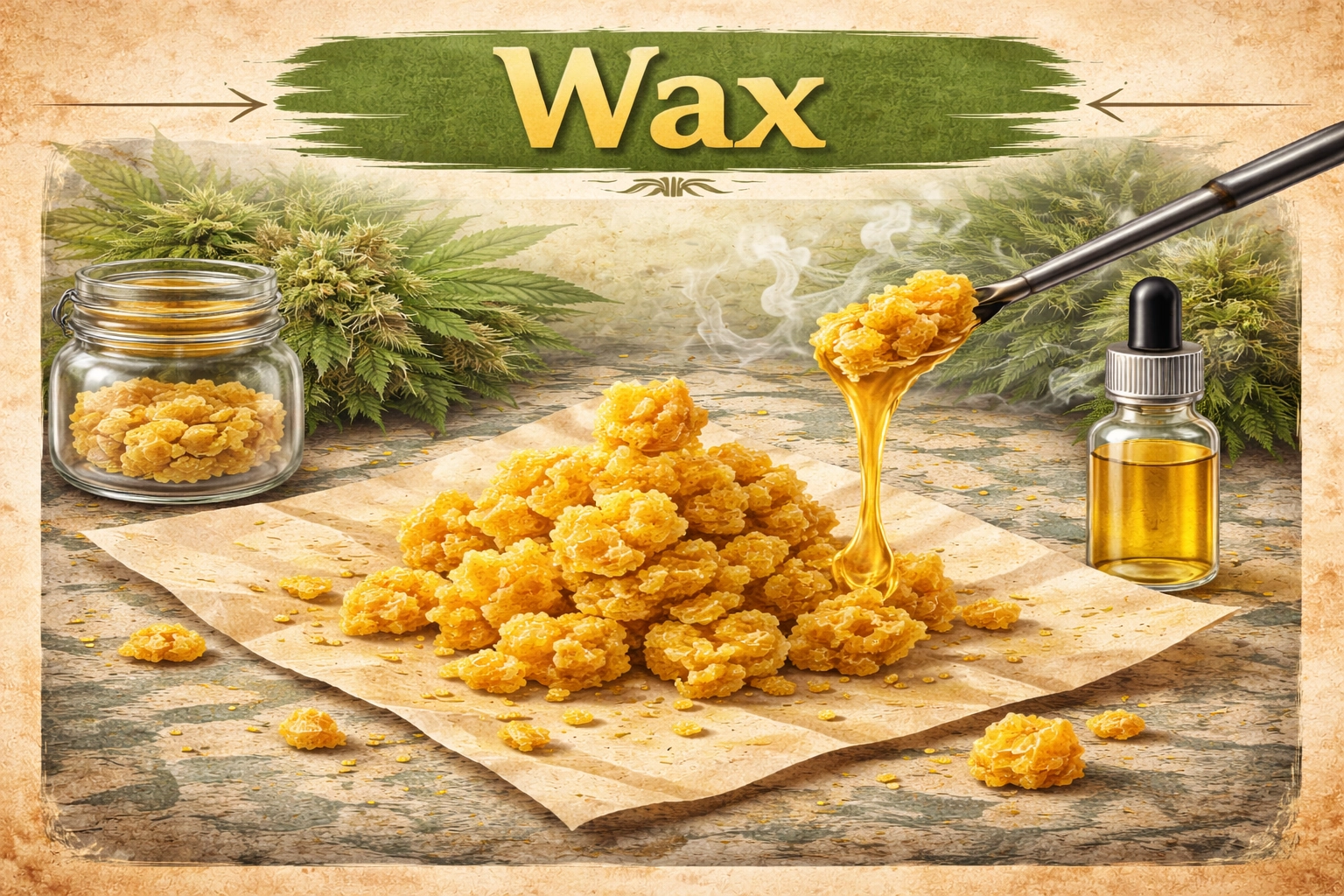
Hash oil, short for hashish oil, is a concentrated cannabis extract made by separating cannabinoids and terpenes from plant material into a potent liquid or semi-solid form. It is one of the earliest modern cannabis concentrates and serves as the foundation for many products seen in today’s market, including shatter, wax, budder, and vape oils.
Known for its high THC content and strong effects, hash oil delivers significantly more concentrated cannabinoids than traditional cannabis flower. Depending on how it is produced, hash oil can vary in color, texture, and potency.
How Hash Oil Is Made
Hash oil is created by extracting resin glands (trichomes) from cannabis plant material using either solvents or mechanical methods. In solvent-based extraction, substances such as butane, propane, ethanol, or CO₂ dissolve cannabinoids and terpenes from the plant. The solvent is then evaporated or purged, ideally leaving behind a concentrated oil.
In earlier decades, hash oil was sometimes produced using rudimentary and unsafe techniques. Modern commercial production uses closed-loop systems, controlled temperatures, and laboratory testing to ensure residual solvents are removed and the final product meets safety standards.
Solventless forms of hash oil also exist, though the term “hash oil” most commonly refers to solvent-based extracts.
Potency and Cannabinoid Content
Hash oil is much more potent than cannabis flower. While flower typically contains between 15% and 30% THC, hash oil often ranges from 50% to 80% THC, depending on the extraction process and level of refinement. Highly refined versions can exceed those levels.
CBD-rich hash oil is also available, particularly in medical markets. The potency allows for stronger and faster-acting effects, which is one reason hash oil is frequently used in vape cartridges and concentrates for dabbing.
Because of its high cannabinoid concentration, small amounts can produce significant effects.
Appearance and Consistency
Hash oil can appear in a variety of forms depending on how it is processed. It may be thick and viscous like syrup, semi-solid, or more brittle if further refined. Colors range from dark brown and amber to golden or nearly transparent, depending on purity and terpene content.
More refined hash oils tend to be lighter in color and more translucent, while less refined oils may be darker due to the presence of additional plant compounds.
How Hash Oil Is Consumed
Hash oil can be consumed in several ways. Vaporization is one of the most common methods, particularly through pre-filled vape cartridges. The oil is heated to produce vapor rather than smoke, offering a discreet and convenient option.
Hash oil can also be used for dabbing, where a small amount is vaporized on a heated surface and inhaled. In some cases, hash oil is incorporated into edibles or capsules for oral consumption.
Due to its potency, careful dosing is important, especially for individuals unfamiliar with concentrated cannabis products.
Hash Oil vs. Other Concentrates
Hash oil is a broad term that encompasses many modern concentrates. Products such as shatter, wax, and budder are technically forms of hash oil that differ primarily in texture and post-processing methods.
Distillate, by contrast, is a highly refined form of hash oil that isolates specific cannabinoids. Live resin is made from fresh-frozen plant material and retains higher terpene content. Rosin differs from traditional hash oil because it is solventless and produced using only heat and pressure.
Understanding these distinctions helps clarify how different concentrate products are related.
Risks and Considerations
The high potency of hash oil increases the risk of overconsumption. High-THC extracts may cause anxiety, dizziness, impaired coordination, or short-term memory disruption in some individuals. Regular use of high-potency products may also contribute to tolerance over time.
Because many forms of hash oil are produced using solvents, proper manufacturing and lab testing are essential. Residual solvents, pesticides, or contaminants can pose health risks if not properly removed.
Consumers should prioritize regulated products that provide verified laboratory testing for purity and potency.
The Bottom Line
Hash oil is a concentrated cannabis extract that isolates cannabinoids and terpenes into a potent oil form. Serving as the foundation for many modern concentrates, it delivers stronger effects than traditional cannabis flower and can be consumed through vaporization, dabbing, or infusion.
While hash oil offers efficiency and strength, its potency requires mindful dosing and attention to product quality. Understanding how it is made and how it relates to other concentrates helps consumers navigate the evolving cannabis marketplace.