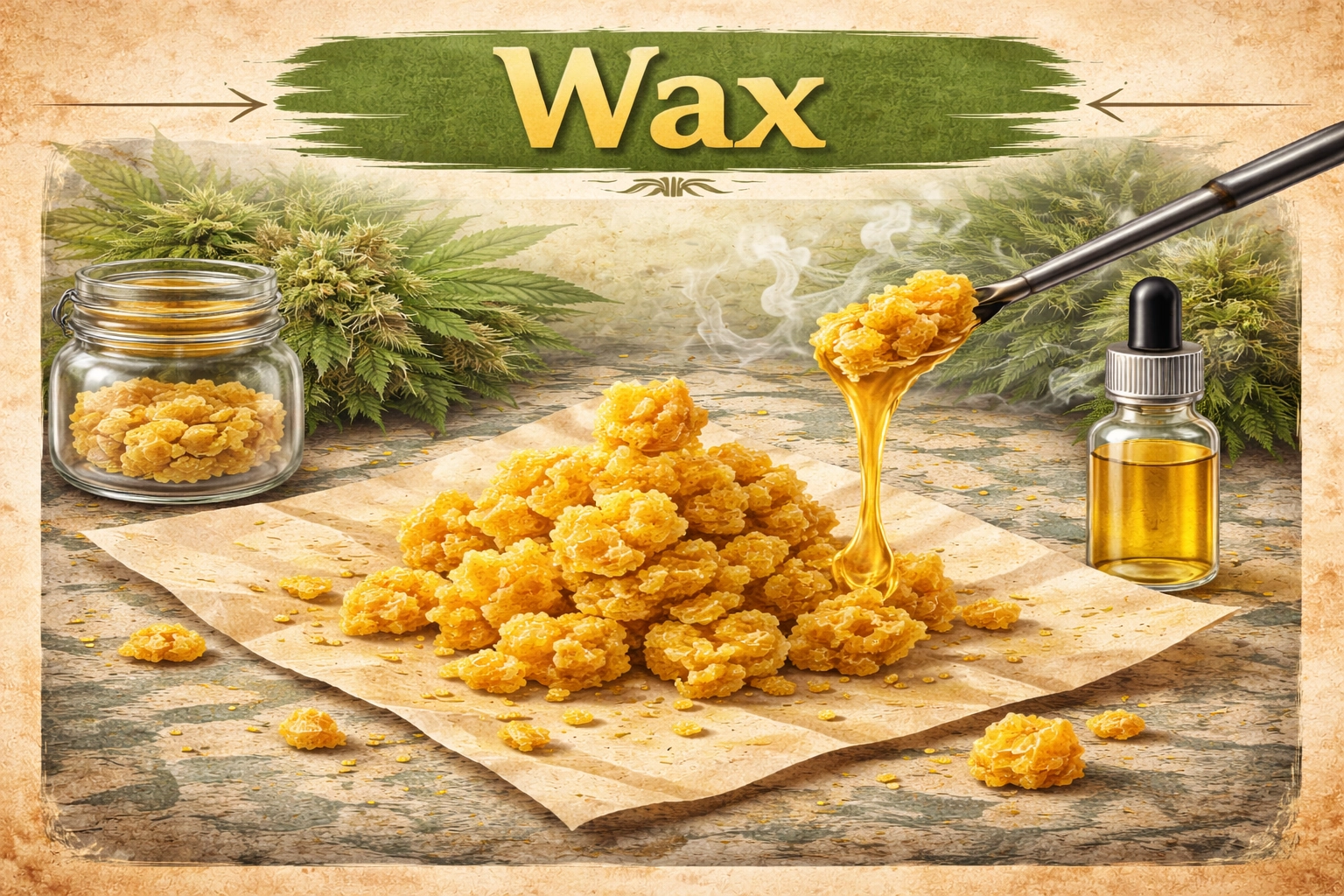
Cannabis extracts are concentrated preparations made by isolating and refining the active compounds found in the cannabis plant. These compounds include cannabinoids such as THC (tetrahydrocannabinol) and CBD (cannabidiol), along with terpenes and flavonoids that contribute to aroma, flavor, and potential therapeutic effects. By removing excess plant material and concentrating desirable compounds, extracts deliver significantly higher potency than traditional cannabis flower. In recent years, advances in extraction technology and expanding legalization have transformed cannabis extracts from a niche product into a major segment of the industry.
Unlike dried flower, which is typically consumed by smoking or vaporizing whole plant material, extracts are engineered to provide more controlled and efficient cannabinoid delivery. This increased potency and precision make them appealing to both medical patients seeking consistent dosing and experienced recreational users looking for stronger effects.
What Are Cannabis Extracts?
At their core, cannabis extracts are the result of separating trichomes — the resin glands of the cannabis plant — from the surrounding plant material. Trichomes contain the highest concentration of cannabinoids and terpenes. Extraction methods are designed to isolate these resin compounds while minimizing unwanted elements such as chlorophyll, plant waxes, and fiber.
The final product may appear as an oil, wax, glass-like solid, powder, or viscous liquid, depending on the method used and the degree of refinement. While cannabis flower commonly contains 15–30% THC, extracts can exceed 80–90% cannabinoid concentration. This dramatic increase in potency changes both the intensity and duration of effects, making proper dosing especially important.
Solvent-Based Extraction Methods
One of the most widely used approaches to producing cannabis extracts involves chemical solvents. In solvent-based extraction, substances such as ethanol, butane, propane, or supercritical CO₂ are used to dissolve cannabinoids and terpenes from plant material. The solvent is then evaporated or purged, ideally leaving behind a concentrated resin extract.
Supercritical CO₂ extraction is often considered one of the cleanest and most controlled methods. By manipulating pressure and temperature, producers can selectively extract cannabinoids and terpenes with precision. This technique is commonly used for vape cartridges, tinctures, and medical-grade oils.
Butane and propane extraction methods, often used to produce products such as shatter, wax, and crumble, are valued for preserving terpene content and achieving high potency. However, these methods require careful purging to remove residual solvents. Proper laboratory testing is essential to ensure safety and purity.
Ethanol extraction is frequently used for large-scale production and is common in the manufacture of tinctures and full-spectrum oils. It is efficient and relatively safe when performed under regulated conditions.
Solventless Extraction Methods
In contrast to solvent-based techniques, solventless extraction relies on mechanical processes such as heat, pressure, or agitation to separate trichomes from plant material. These methods are often preferred by consumers seeking minimally processed products.
Rosin is created by applying heat and pressure to cannabis flower or hash, causing resin to liquefy and separate from plant matter. Bubble hash, also known as ice water hash, uses cold water and agitation to detach trichomes, which are then filtered and dried. Dry sift, commonly referred to as kief, involves mechanically sifting plant material through fine screens to collect resin glands.
Solventless extracts are often praised for their purity and terpene preservation, though they may require high-quality starting material to achieve premium results.
Full-Spectrum, Broad-Spectrum, and Isolate Products
Cannabis extracts are further categorized by their chemical profile. Full-spectrum extracts retain a wide array of cannabinoids and terpenes present in the original plant. These products aim to preserve what is often called the “entourage effect,” the theory that multiple cannabis compounds may work synergistically to enhance overall effects.
Broad-spectrum extracts contain multiple cannabinoids but have had THC removed or reduced to non-detectable levels. These are often marketed to individuals seeking the benefits of cannabis compounds without psychoactive effects.
Isolates represent the most refined form of extraction, containing a single purified cannabinoid such as CBD or THC. While isolates offer precise dosing and consistency, they lack the complexity of full-spectrum formulations.
Methods of Consumption
Cannabis extracts can be consumed in several ways, each influencing onset time and duration of effects. Vaporization is one of the most common methods, particularly with oil cartridges and concentrated products used for dabbing. Inhaled extracts produce rapid onset, often within minutes, but effects may be shorter-lived compared to oral methods.
Oral consumption includes tinctures, capsules, edibles, and infused beverages. These products typically take longer to produce effects — sometimes up to two hours — but may last significantly longer. Topical extracts are applied directly to the skin and are often used for localized relief without intoxicating effects.
Because extracts are highly potent, even small amounts can produce strong effects. Careful titration is recommended, particularly for individuals new to concentrated cannabis products.
Medical Applications
Medical cannabis patients often gravitate toward extracts because they allow for greater dosing precision and consistent cannabinoid delivery. Extracts are commonly used in managing chronic pain, epilepsy, nausea associated with chemotherapy, multiple sclerosis spasticity, inflammatory disorders, and certain neurological conditions.
CBD-dominant extracts have gained particular attention for seizure disorders, especially following clinical research supporting purified CBD in treatment-resistant epilepsy. THC-containing extracts are frequently used for pain management and appetite stimulation.
Standardized extracts manufactured under regulated conditions provide more predictable results than variable cannabis flower.
Potency and Safety Considerations
The high potency of cannabis extracts presents both advantages and potential risks. Concentrated THC products may increase the likelihood of side effects such as anxiety, dizziness, cognitive impairment, and short-term memory disruption. In some cases, heavy use of high-potency concentrates has been associated with increased tolerance and potential dependence.
Quality control is also critical. Poorly manufactured extracts may contain residual solvents, pesticides, heavy metals, or contaminants if not properly tested. Reputable producers rely on third-party laboratory testing to verify cannabinoid content and ensure safety.
As with any cannabis product, responsible use involves understanding potency, starting with low doses, and monitoring individual response.
The Future of Cannabis Extraction
Advancements in extraction technology continue to shape the cannabis industry. Improved equipment, stricter regulatory standards, and enhanced testing protocols have increased product consistency and consumer confidence. At the same time, demand for terpene-rich, minimally processed concentrates has driven innovation in solventless methods.
As legalization expands and research evolves, cannabis extracts are likely to remain a central part of both medical and recreational markets. Their versatility, potency, and precision make them a defining feature of modern cannabis consumption.
The Bottom Line
Cannabis extracts are concentrated products designed to isolate and amplify the active compounds found in cannabis. Produced through solvent-based or solventless methods, they offer significantly higher potency than traditional flower and allow for more controlled dosing.
While extracts provide convenience and strength, they also require careful use and attention to product quality. Understanding extraction methods, cannabinoid profiles, and consumption options helps consumers make informed decisions in an increasingly sophisticated cannabis marketplace.