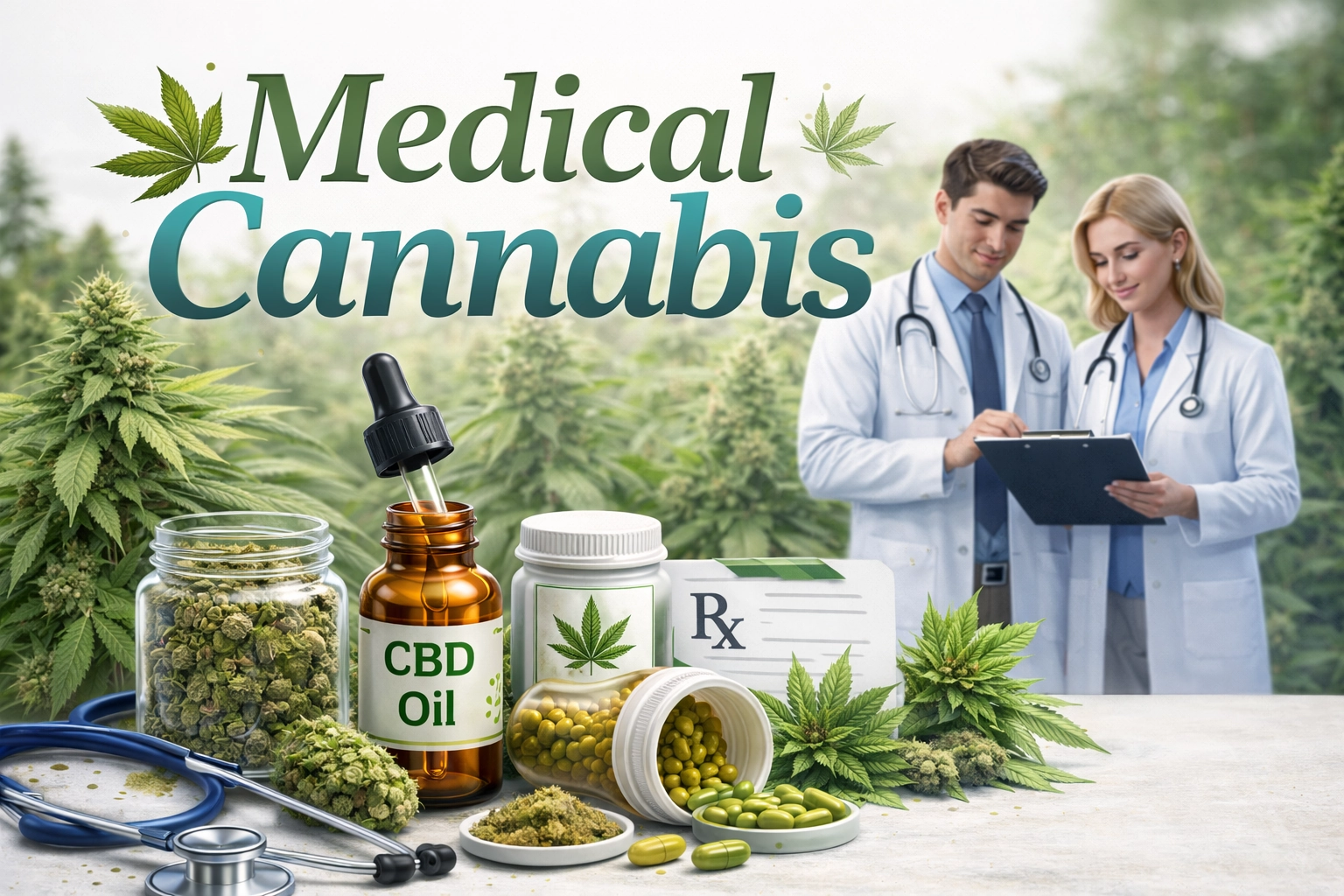
Medical cannabis can be administered in several different ways, and the method of consumption significantly influences how quickly effects begin, how long they last, and how intensely they are felt. For patients using cannabis therapeutically, choosing the right delivery method is just as important as selecting the right strain or cannabinoid ratio.
Each method offers distinct advantages depending on the condition being treated, the need for fast relief, and personal preference. Understanding these differences allows patients and healthcare providers to tailor treatment more precisely.
Inhalation (Smoking and Vaporizing)
Inhalation is one of the fastest methods of experiencing the effects of medical cannabis. When cannabis is smoked or vaporized, cannabinoids enter the bloodstream through the lungs and can produce noticeable effects within minutes. This makes inhalation especially useful for conditions that require rapid relief, such as acute pain, nausea, or sudden muscle spasms.
Vaporization is often preferred over smoking in medical contexts because it heats cannabis without combustion, reducing exposure to potentially harmful byproducts. However, both methods tend to produce shorter-lasting effects compared to oral options, typically lasting two to four hours.
Sublingual Tinctures and Oils
Tinctures and oils are administered under the tongue (sublingually), where cannabinoids are absorbed through the mucous membranes. This method offers a balance between speed and duration. Effects usually begin within 15 to 45 minutes and may last several hours.
Sublingual products are popular among medical patients because they allow for controlled, consistent dosing. Measured droppers make it easier to adjust dosage gradually, which is particularly helpful for individuals managing chronic conditions who require steady symptom control.
Edibles and Capsules
Edibles and capsules are ingested orally and processed through the digestive system and liver. Because of this metabolic process, onset time is slower — often between 30 minutes and two hours — but the effects can last much longer, sometimes six to eight hours or more.
This method is often chosen for chronic pain, insomnia, or long-term symptom management. However, dosing must be approached cautiously. The delayed onset can lead some individuals to consume more than intended, resulting in stronger effects later on. Starting with a low dose and increasing gradually is generally recommended.
Topicals and Transdermal Products
Topical cannabis products, such as creams, balms, and lotions, are applied directly to the skin. They are typically used for localized relief of joint pain, muscle soreness, inflammation, or certain dermatological conditions. Most topical applications do not produce psychoactive effects because cannabinoids do not significantly enter the bloodstream.
Transdermal patches differ slightly in that they are designed to deliver cannabinoids through the skin into systemic circulation over an extended period. These products can provide sustained, controlled dosing without the need for inhalation or ingestion.
Concentrates and Extracts
Cannabis concentrates contain higher levels of cannabinoids and are available in forms such as oils, waxes, or distillates. They may be vaporized, added to food, or formulated into medical products. Because of their potency, concentrates are often used by experienced patients or those requiring higher therapeutic doses.
Precision and caution are especially important with concentrates, as small amounts can produce strong effects.
Choosing the Right Method
Selecting the appropriate consumption method depends on several factors, including the condition being treated, the desired speed of relief, lifestyle considerations, and sensitivity to THC. For example, someone managing chronic arthritis pain throughout the day may prefer capsules or tinctures for consistent coverage, while a patient undergoing chemotherapy may rely on inhalation for rapid nausea relief.
Consulting with a knowledgeable healthcare provider can help determine the most effective and safest approach.
A Personalized Approach to Treatment
Medical cannabis is not a one-size-fits-all therapy. The diversity of consumption methods allows for individualized treatment plans that align with specific medical needs and personal comfort levels. As research continues and product innovation expands, patients have more options than ever to find a method that supports both symptom relief and quality of life.