- Strain Type: 70% Sativa / 30% Indica
- Genetics: Space Queen F2 recreation
- Breeder: Subcool / TGA Genetics
- THC Content: 15–20%
- CBD Content: Low, typically well below 1%
- Terpene Profile: limonene, myrcene, caryophyllene
- Primary Flavors: Sour mango, tart tropical fruit
- Flowering Time (Indoor): 50–60 days
- Outdoor Harvest Time: late September to early October
- Indoor Yield: 350–450 g/m²
- Outdoor Yield: 400–600 g per plant
- Grow Difficulty: Moderate
Long before candy-flavored marijuana became a dominant breeding trend, Space Bomb was delivering an aroma that could shift from sour mango to overripe tropical fruit and almost fermented candy. The cultivar came from the breeding work of the late Subcool and TGA Genetics, but its creation was less about combining unrelated famous strains than recovering one exceptional expression hidden inside Space Queen.
Subcool had kept a compact, extraordinarily resinous Space Queen phenotype called Tiny Bomb for years, eventually deciding that its flavor and potency deserved to be recreated in seed form. His surviving cultivation notes describe the resulting line as a Space Queen F2 recreation with roughly 70% sativa influence, a fast 50–60-day flowering window, medium yields, and unusually intense resin production. Space Bomb consequently represents a distinctive kind of old-school weed breeding: phenotype preservation, careful selection, and flavor mattered more than chasing extreme THC percentages or building an elaborate multi-strain pedigree.
Genetics and Lineage
At its core, Space Bomb belongs entirely to the Space Queen family. Subcool’s original description identifies the genetics as Space Queen F2 and explains that the project was created to reproduce Tiny Bomb, a smaller phenotype discovered in a pack of Space Queen. Tiny Bomb had not originally been chosen for breeding because of its modest size, but its dense flower structure, extraordinary trichome coverage, potency, and flavor eventually convinced Subcool to return to the line. In one surviving post from 2008, he described the clone as some of the best cannabis he had smoked and reported that early Space Bomb testing had impressed him enough to move forward with the project.
Space Queen itself combines Romulan × Cinderella 99, bringing two sharply contrasting genetic influences together. Romulan contributes the denser, heavier, resinous side of the family, while Cinderella 99 is associated with faster flowering, tropical fruit, and a brighter cerebral character. Subcool noted that Space Bomb seedlings could lean toward either side of that equation: smaller plants tended to display harder, more triangular flowers reminiscent of Romulan, whereas larger, rounder expressions showed more Cinderella 99 influence. That variation is important because Space Bomb is not simply “Space Queen crossed with another Bomb strain.” Tiny Bomb was itself a Space Queen selection, making the cultivar essentially a carefully worked recreation within the Space Queen gene pool.
The breeding process reportedly took about a year of parent selection after Subcool had preserved Tiny Bomb for several years. His goal was to return the distinctive clone-only expression to seed form without losing what made it memorable. The result retained medium phenotype variation rather than becoming completely uniform, which means growers can encounter everything from lankier Cinderella-influenced plants to shorter, extremely resinous Romulan-leaning individuals. That genetic range is part of the original character of Space Bomb rather than evidence that the lineage is uncertain.
Effects and Experience
The high favors movement rather than stillness during its opening phase. Mental stimulation can arrive quickly, sharpening sensory awareness and creating a lively, sometimes almost psychedelic quality. Thoughts may branch rapidly from one subject to another, music can become unusually immersive, and ordinary surroundings may feel temporarily more vivid. Subcool’s own description of the cultivar characterized the experience as speedy, intense, motivating, and potentially trippy, while also warning that its cerebral strength could become uncomfortable or paranoid when pushed too far.
That energetic character makes moderate consumption better suited to activity than the heavy nighttime routine associated with many modern indica hybrids. Walking, creative projects, gardening, conversation, gaming, or listening to music can all fit the experience when dosage remains controlled. The Romulan influence nevertheless prevents the high from feeling completely weightless. After the initial cerebral expansion, a more settled physical calm can emerge underneath, taking some of the sharpness out of the sativa side without necessarily producing couch-lock.
Dose management matters considerably. Space Bomb came from an era when potency was discussed more through subjective strength and resin quality than through today’s constant race for 30% laboratory results. The original breeder did not attach a standardized THC percentage to the cultivar, so modern figures should be regarded as batch-dependent rather than defining characteristics. Its reputation was built instead on a strong, immediate head effect and exceptional resin production. Consumers who are sensitive to stimulating weed should start conservatively because excessive intake may turn an enjoyable cerebral rush into racing thoughts, uneasiness, or temporary paranoia.
Medical Benefits
For medical marijuana consumers, the most plausible appeal lies in the cultivar’s combination of mental stimulation and later physical easing. Someone dealing with fatigue or a low-energy day may prefer its lively initial character over a cannabis variety that immediately encourages sleep. The change in mood and sensory engagement may also provide a temporary distraction from stress or everyday discomfort, particularly for people who already respond favorably to THC-dominant flower.
Subcool’s historical breeder description specifically associated Space Bomb with motivation and pain relief, but those observations should be understood as breeder experience rather than clinical evidence. No controlled medical trials have evaluated Space Bomb as a treatment for pain, depression, fatigue, anxiety, or another condition. Cannabis research more broadly also demonstrates why caution is warranted: THC can produce beneficial effects for some patients while causing dizziness, cognitive impairment, anxiety, or other unwanted reactions in others.
The strain’s stimulating character deserves particular attention among people prone to THC-related anxiety. What one consumer experiences as heightened creativity may feel like uncomfortable mental acceleration to another. Medical users should therefore pay attention to the cannabinoid analysis of the actual flower, begin with modest amounts when trying an unfamiliar batch, and discuss cannabis use with a qualified healthcare professional when treating persistent symptoms or combining marijuana with prescription medications.
Flavor Profile and Aroma
Flavor is where Space Bomb develops its strangest personality. Subcool described the original line in terms of sour fruit approaching overripeness, mango, and sour candy—a profile far removed from the vanilla frosting and creamy gas that dominate many current dispensary menus. Properly cured flowers may initially smell tropical and sweet, but closer inspection reveals tart citrus, fermented fruit, earth, and a slightly funky edge. Certain expressions can lean toward cherry or fruit punch, while others emphasize mango and sharper acidic fruit.
No standardized breeder terpene analysis accompanied the original release, so assigning a fixed dominant-terpene ranking would create more certainty than the historical record supports. Aromatically, however, bright citrus and tropical-fruit characteristics are consistent with limonene-rich cannabis, while myrcene can reinforce ripe fruit, herbs, and earth. Caryophyllene may contribute peppery depth underneath the sweeter notes. Actual laboratory testing is necessary to determine which compounds dominate a specific contemporary sample.
The smoke or vapor tends to begin with tart fruit before developing a more unusual finish. Sour mango, citrus peel, and candy-like sweetness can shift toward earth and slightly fermented fruit on the exhale. A good cure preserves that contrast; allowing the flower to dry excessively can flatten the high notes and leave behind a less distinctive earthy sweetness. For enthusiasts who prefer weed that smells natural, funky, and fruit-driven rather than artificially sugary, this old TGA line offers a markedly different profile.
Growing Information
Space Bomb has a growth pattern that rewards intervention. Subcool described the plant as thin and lanky unless topped, recommending canopy management through a Screen of Green or substantial staking. Left completely untrained, vigorous branches can stretch away from the light and create an inefficient canopy. Early topping encourages lateral development, while tying branches outward allows more flowering sites to receive direct illumination. Once buds gain weight, physical support becomes increasingly important because the relatively slender branches may struggle under dense resinous flowers.
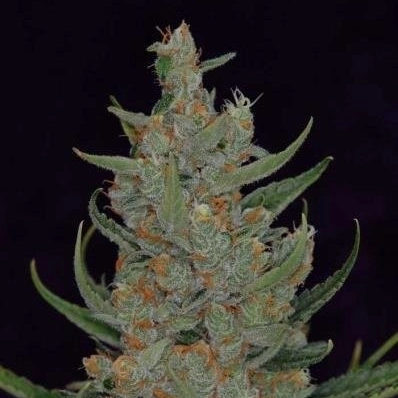
One major advantage is speed. The breeder’s harvest window was approximately 50–60 days, unusually quick for a cultivar described as roughly 70% sativa. Flower structure can vary according to which side of Space Queen dominates. Romulan-leaning plants may remain smaller and produce harder triangular buds with exceptional frost, while Cinderella 99-influenced examples can grow larger and form rounder flowers. Late in bloom, trichome production can become striking enough that flowers appear wet or greasy under strong lighting.
Subcool rated yield as medium rather than presenting an official grams-per-square-meter figure. For that reason, approximately 350–450 g/m² indoors and 400–600 g per outdoor plant should be viewed as practical estimates rather than breeder guarantees. Outdoor harvest generally falls around late September into early October when plants are started at a conventional time in the Northern Hemisphere, although climate and latitude can shift that window. Growers will generally gain more by focusing on canopy control, branch support, airflow, and resin preservation than by trying to force maximum biomass from a cultivar originally selected primarily for quality.
FAQ
What are the genetics of Space Bomb?
Space Bomb is a Space Queen F2 recreation developed around the highly resinous Tiny Bomb phenotype. Space Queen itself descends from Romulan and Cinderella 99. Subcool’s original strain notes explicitly identify the genetics as Space Queen F2.
Who bred Space Bomb?
The original cultivar was developed by Subcool of TGA Genetics, the influential breeder responsible for a large catalog of weed strains during the 2000s and 2010s. TGA’s breeding work became prominent enough that licensed operators later formed commercial partnerships specifically to cultivate and distribute its genetics.
Is Space Bomb indica or sativa?
The breeder described it as approximately 70% sativa and 30% indica. Its rapid, stimulating cerebral effects reflect that sativa lean, although Romulan ancestry contributes a more grounding physical component as the experience develops.
What does Space Bomb taste like?
Its signature flavor combines sour mango, tart tropical fruit, sour candy, citrus, earth, and occasional cherry-like sweetness. Subcool specifically emphasized sour, almost overripe fruit and mango-candy qualities when documenting the line.
How long does Space Bomb take to flower?
The original breeder specified a 50–60-day harvest window, with approximately 55 days being a useful midpoint. Growers should still judge individual plants by flower and trichome maturity rather than harvesting solely according to the calendar.
Final Thoughts on Space Bomb
Space Bomb captures an era of cannabis breeding when an exceptional phenotype could inspire years of preservation work before becoming a seed line. Tiny Bomb began as the smaller Space Queen plant that was passed over for the original breeding project, yet its extraordinary resin, unusual sour-fruit flavor, and intense high eventually made it impossible for Subcool to ignore. Years later, that once-overlooked clone became the target for an F2 recreation and ultimately one of the memorable releases associated with TGA Genetics.
Its attraction today goes beyond nostalgia. A 50–60-day flowering period, towering trichome coverage, vivid sour-mango flavor, and an energetic high give the cultivar characteristics that remain distinctive even beside much newer marijuana genetics. Space Bomb does demand attention in the garden—particularly topping, canopy control, and branch support—but those requirements reflect its lanky Space Queen architecture rather than fundamental weakness. For cannabis enthusiasts interested in the classic Subcool catalog, resin-focused breeding, or fruit profiles that predate the modern candy-strain boom, Space Bomb remains one of the more unusual expressions of the Romulan × Cinderella 99 family.