Ethanol extraction is one of the oldest and most widely used methods for producing cannabis concentrates. Using food-grade alcohol as a solvent, this technique efficiently pulls cannabinoids, terpenes, and other beneficial compounds from plant material. Because ethanol is widely available, relatively safe when handled properly, and highly scalable, it has become a cornerstone of large-scale cannabis oil production.
From full-spectrum tinctures to refined THC and CBD distillates, ethanol extraction plays a major role in both medical and commercial cannabis manufacturing.
How Ethanol Extraction Works
Ethanol is a polar solvent, meaning it dissolves a broad range of compounds. When cannabis flower or trim is soaked or washed in cold or room-temperature ethanol, the alcohol dissolves cannabinoids like THC and CBD, as well as terpenes and other plant compounds.
The basic process begins by placing cannabis material into an extraction vessel. Ethanol is then introduced and allowed to saturate the plant matter. During this contact period, the solvent strips resin from the trichomes and absorbs it into solution.
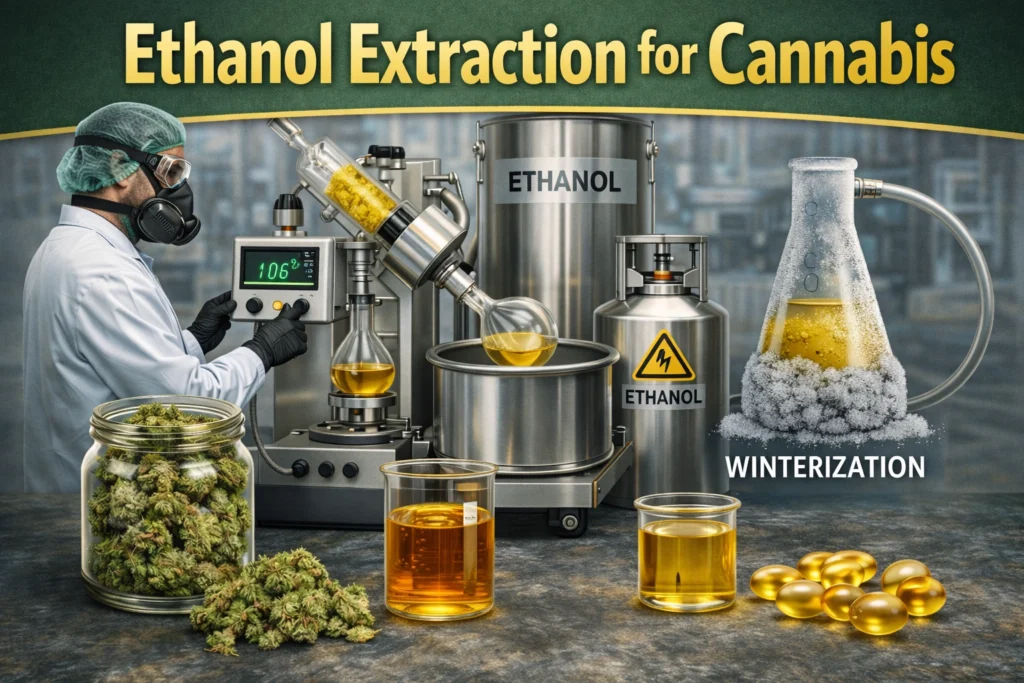
After sufficient extraction time, the liquid is separated from the plant material through filtration. The resulting mixture contains ethanol along with dissolved cannabinoids and other compounds. The ethanol is then removed through evaporation, typically using rotary evaporators or falling film systems that gently heat the solution and recover the alcohol for reuse.
What remains is crude cannabis oil, which can then undergo further refinement.
Cold vs. Warm Ethanol Extraction
Temperature plays a significant role in ethanol extraction. Cold ethanol extraction, often performed at sub-zero temperatures, helps reduce the amount of chlorophyll and plant waxes pulled into the solution. This produces a cleaner crude oil and reduces the need for extensive post-processing.
Warmer or room-temperature extraction can increase efficiency and speed but may extract more unwanted plant material. While this can increase yield, it often requires additional refinement steps to improve color, flavor, and clarity.
Many large-scale producers use ultra-cold ethanol systems to balance yield and purity.
Winterization and Refinement
Because ethanol is a strong solvent, it often extracts fats, lipids, and waxes along with cannabinoids. To remove these compounds, the crude oil typically undergoes a process called winterization.
During winterization, the extract is mixed with ethanol and chilled to very low temperatures. Unwanted waxes and fats solidify and can be filtered out. The ethanol is then evaporated again, leaving behind a more refined oil.
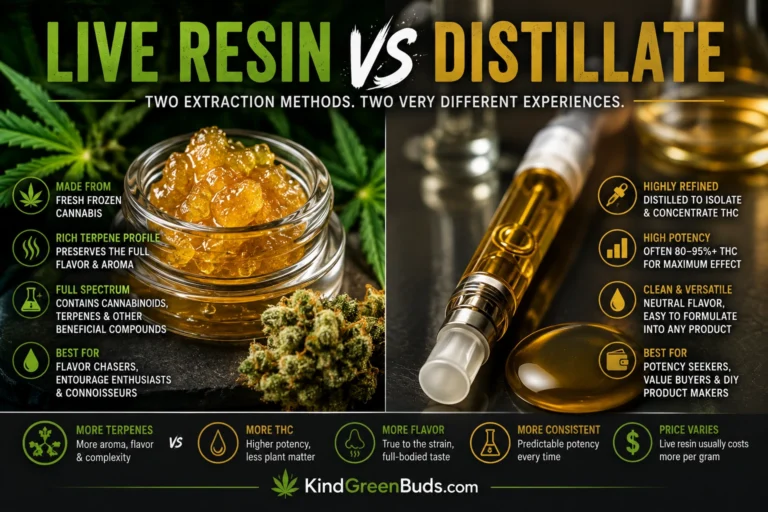
Further processing may include distillation, which isolates specific cannabinoids such as THC or CBD to create high-potency distillate. Alternatively, producers may leave the extract as a full-spectrum oil to preserve a wider range of compounds.
Why Ethanol Extraction Is Popular
Ethanol extraction is especially valued for its scalability and efficiency. It can process large volumes of cannabis quickly, making it ideal for industrial operations. The equipment is generally less expensive than supercritical CO₂ systems, and the process is relatively straightforward.
Because food-grade ethanol is used in many industries, it is considered safe when properly removed from the final product. In regulated markets, strict residual solvent limits ensure that finished products meet safety standards.
Ethanol extraction is commonly used to produce bulk oil for edibles, tinctures, capsules, and vape formulations. It is particularly effective for manufacturers focused on high-volume output.
Ethanol vs. Other Extraction Methods
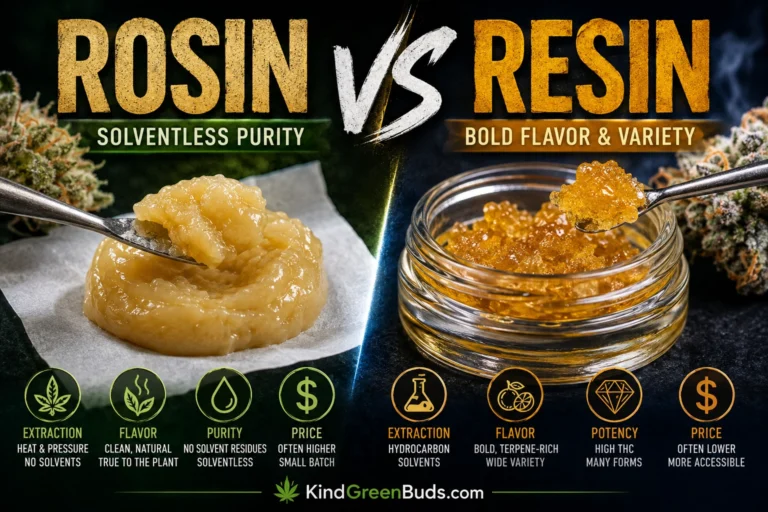
Compared to hydrocarbon extraction, ethanol may capture a broader range of plant compounds, sometimes requiring additional refinement for flavor and clarity. Hydrocarbon methods can preserve more aromatic terpenes in certain applications, especially in products like live resin.
Compared to CO₂ extraction, ethanol systems are often less complex and more cost-effective for large-scale production. CO₂, however, offers more precise selectivity in targeting specific compounds.
Solventless methods such as rosin pressing avoid chemical solvents entirely but typically cannot match ethanol’s production capacity in commercial environments.
Each method has advantages, and ethanol remains one of the most versatile tools in cannabis processing.
Safety Considerations
Although ethanol is less hazardous than hydrocarbon solvents like butane or propane, it is still flammable. Professional extraction facilities use explosion-proof equipment, proper ventilation, and closed-loop systems to minimize risk.
In regulated cannabis markets, ethanol extraction must meet strict manufacturing and testing standards to ensure residual solvent levels remain within safe limits.
Final Thoughts
Ethanol extraction is a powerful, efficient, and scalable method for producing cannabis concentrates. By dissolving cannabinoids into alcohol and then carefully removing the solvent, producers can create everything from full-spectrum oils to refined distillates.
Its combination of speed, cost-effectiveness, and versatility has made ethanol extraction a mainstay of the modern cannabis industry, particularly for high-volume production and infused product manufacturing.