Live resin is a cannabis concentrate known for its high terpene content, strong aroma, and flavorful profile. Unlike many other concentrates that are made from dried and cured cannabis flower, live resin is produced using fresh-frozen cannabis plants. This key difference helps preserve more of the plant’s original terpene and cannabinoid profile, resulting in a product that more closely reflects the flavor and scent of the living plant.
Because of its rich aroma and balanced potency, live resin has become one of the most sought-after concentrates in both medical and recreational cannabis markets.
How Live Resin Is Made
The defining feature of live resin is the starting material. Instead of drying and curing harvested cannabis plants, producers immediately freeze them at extremely low temperatures. This flash-freezing process preserves delicate terpenes that might otherwise degrade during the drying and curing process.
After freezing, the plant material undergoes solvent-based extraction, typically using butane or propane. The solvent extracts cannabinoids and terpenes while the material remains cold, helping retain volatile compounds that contribute to aroma and flavor. The extract is then purged under vacuum to remove residual solvent, resulting in a terpene-rich concentrate.
Because the process requires specialized equipment and temperature control, live resin is generally more expensive than many other concentrates.
Terpene Preservation and Flavor
Live resin is widely valued for its terpene content. Terpenes are aromatic compounds that give cannabis its distinct scent — whether citrusy, piney, earthy, or fruity. They may also influence how cannabinoids affect the body and mind.
Drying and curing cannabis can cause some terpene loss due to heat, light, and oxidation. By freezing the plant immediately after harvest, live resin retains more of these volatile compounds. As a result, users often describe live resin as having a more vibrant and complex flavor compared to shatter, wax, or distillate.
For many consumers, flavor and aroma are primary reasons for choosing live resin over other concentrate types.
Potency and Cannabinoid Content
Live resin is typically potent, though it may not always reach the extremely high THC percentages found in highly refined distillates. THC levels often range between 60% and 85%, depending on the strain and extraction process.
While distillates can exceed 90% THC, they often lack significant terpene content unless terpenes are reintroduced. Live resin aims to balance potency with a fuller cannabinoid and terpene profile.
For medical patients, this balance may provide effective symptom relief with enhanced flavor and a potentially broader range of effects.
Texture and Appearance
Live resin is usually softer and more viscous than brittle concentrates like shatter. It can appear as a saucy, sugar-like, or crystalline mixture, often with visible terpene-rich liquid surrounding cannabinoid crystals.
The exact texture depends on factors such as strain, terpene concentration, and post-extraction processing. Because of its higher terpene content, live resin may be more aromatic and slightly stickier than other concentrates.
How Live Resin Is Consumed
Live resin is most commonly consumed through dabbing using a dab rig or a concentrate vaporizer. Because terpenes can degrade at very high temperatures, many users prefer low-temperature dabbing to preserve flavor and smoothness.
Some vape cartridges are also formulated with live resin extract, offering a portable and convenient option while maintaining terpene richness.
As with other concentrates, small amounts are typically sufficient due to the high cannabinoid concentration.
Live Resin vs. Other Concentrates
The primary difference between live resin and other concentrates lies in the freshness of the plant material. Shatter, wax, and budder are usually made from dried and cured cannabis, while live resin is made from fresh-frozen plants.
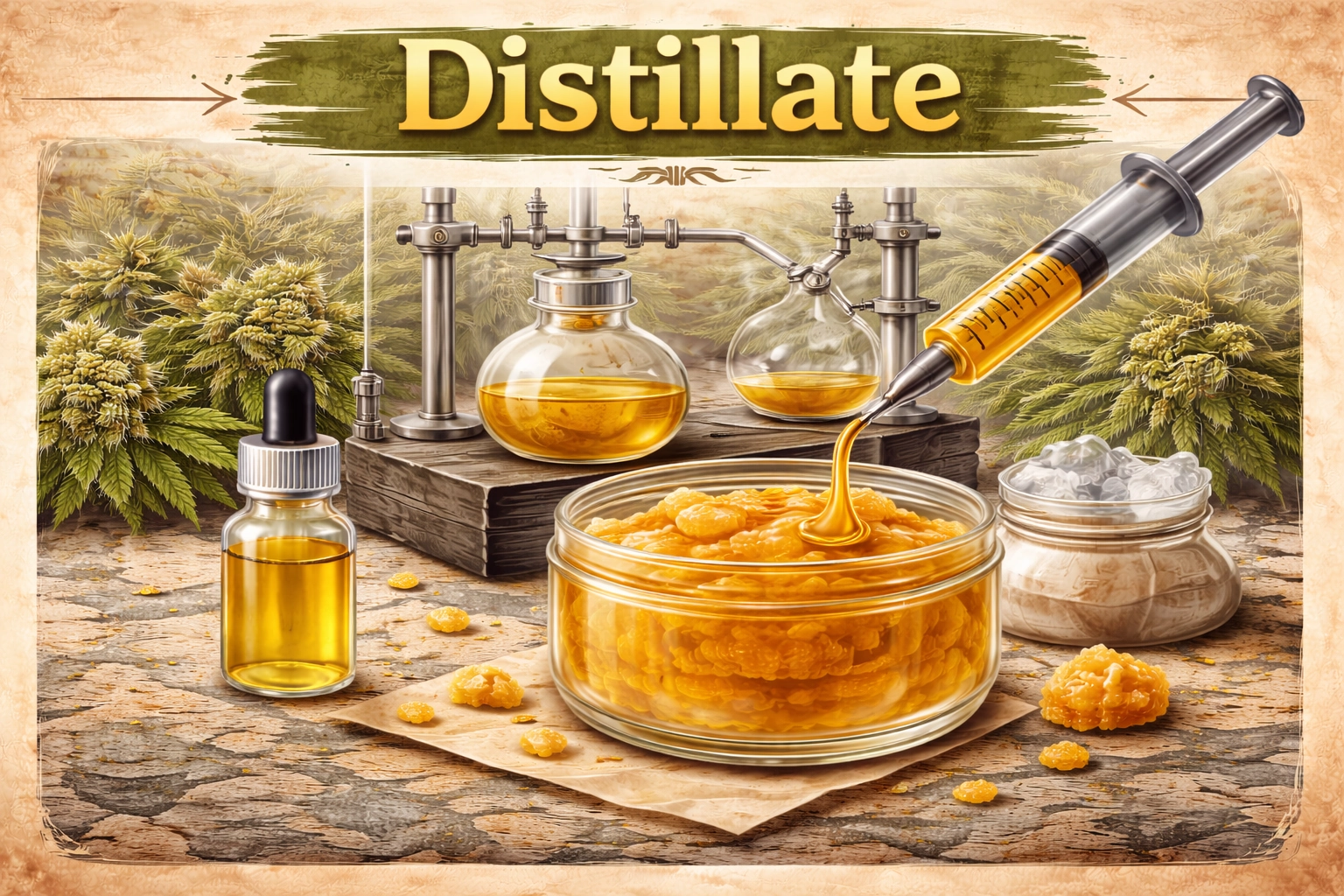
Distillate is a highly refined concentrate that isolates specific cannabinoids, often stripping away most terpenes. Live resin, by contrast, focuses on preserving the plant’s natural chemical profile.
Solventless alternatives such as live rosin also use fresh-frozen material but rely on mechanical extraction rather than chemical solvents.
Risks and Considerations
Like all cannabis concentrates, live resin is highly potent and can lead to overconsumption if not used carefully. High-THC products may increase the likelihood of anxiety, dizziness, or impaired coordination in some individuals.
Because live resin is typically produced using solvents, proper purging and third-party testing are essential to ensure safety. Consumers should seek products that provide verified lab results for potency and purity.
The Bottom Line
Live resin is a terpene-rich cannabis concentrate made from fresh-frozen plant material, preserving more of the plant’s original flavor and aroma compared to many traditional extracts. With strong potency and complex flavor profiles, it has become a favorite among concentrate enthusiasts.
While it offers enhanced sensory experience and effective cannabinoid delivery, live resin’s strength requires mindful dosing and attention to product quality. Understanding how it differs from other concentrates helps consumers choose products that match their preferences and needs.