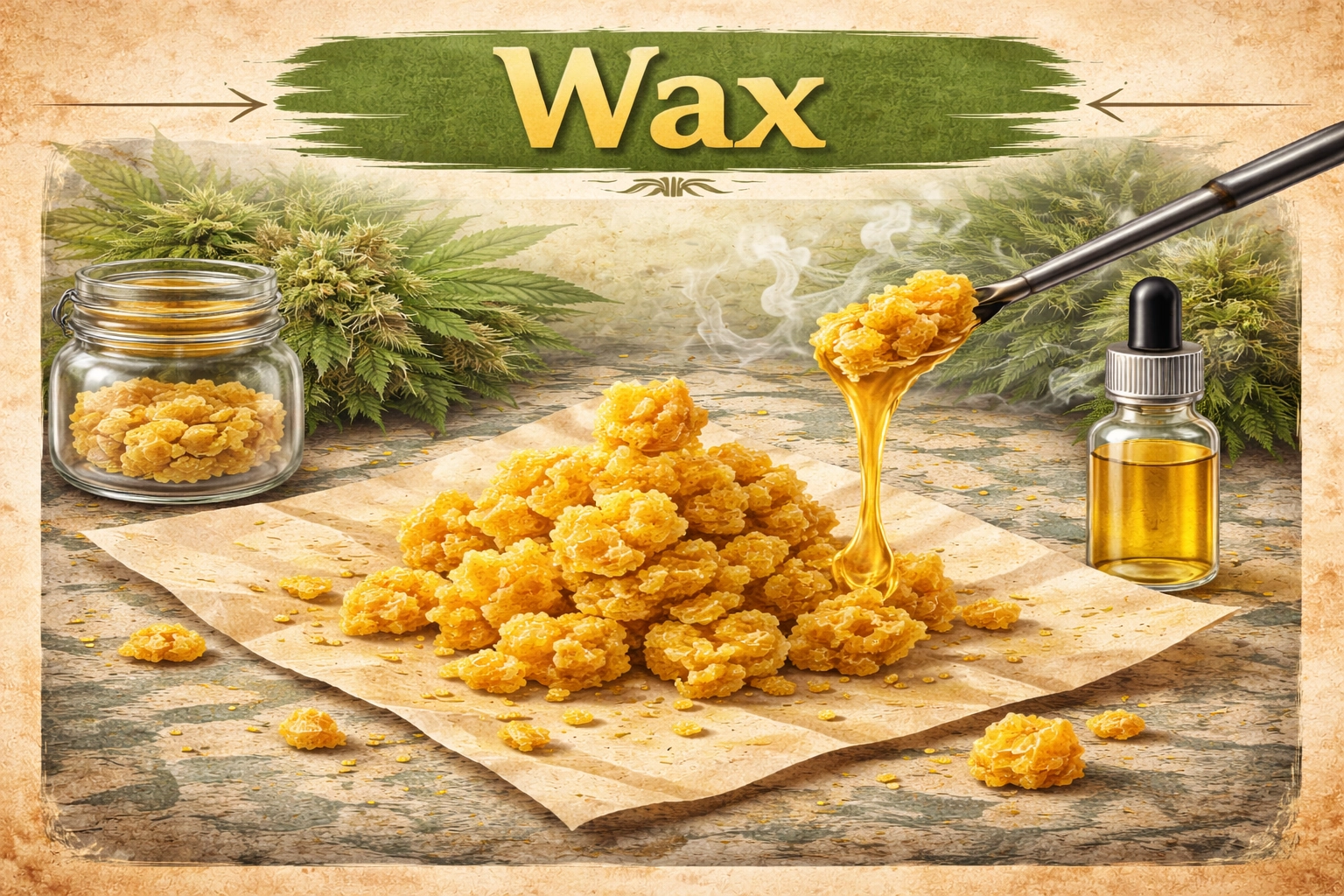
Shatter is a highly concentrated cannabis extract known for its glass-like appearance, high potency, and brittle texture. It is a type of butane hash oil (BHO) that has been refined into a translucent, amber-colored sheet that can literally “shatter” when broken — which is how it gets its name. Among cannabis concentrates, shatter is recognized for its purity, stability, and strong effects.
Because of its elevated cannabinoid content, shatter is significantly more potent than traditional cannabis flower and is typically used by experienced consumers or medical patients seeking concentrated relief.
How Shatter Is Made
Shatter is produced through a solvent-based extraction process, most commonly using butane or propane. During this process, a solvent passes through cannabis plant material and dissolves cannabinoids and terpenes from the trichomes. The resulting liquid extract is then carefully purged of residual solvent using controlled heat and vacuum pressure.
The purging process is crucial. When done properly, it removes leftover solvents while preserving cannabinoids and terpenes. The extract is then cooled and allowed to stabilize into a thin, glass-like sheet. Its smooth, translucent appearance reflects a uniform molecular structure that lacks the crystallization seen in other concentrate textures like wax or budder.
Because solvents are involved, reputable producers rely on professional equipment and third-party lab testing to ensure the final product is free from harmful residues.
Potency and Cannabinoid Content
Shatter is known for its high potency. While cannabis flower often contains between 15% and 30% THC, shatter can range from 60% to over 90% THC depending on the strain and refinement process. CBD-dominant shatter products also exist, though THC-rich varieties are more common in recreational markets.
The high concentration of cannabinoids means even a small amount can produce strong effects. For medical patients, this potency can provide rapid relief for chronic pain, nausea, appetite loss, or severe symptoms. For recreational users, it often results in an intense and fast-acting experience.
How Shatter Is Consumed
Shatter is most commonly consumed through a method known as dabbing. Dabbing involves heating a specialized surface, often called a nail or banger, and placing a small piece of shatter onto it. The concentrate vaporizes instantly and is inhaled through a dab rig.
Vaporizer pens designed for concentrates can also be used with shatter, offering a more portable and discreet option. Because shatter vaporizes at specific temperatures, many users prefer controlled heating devices that preserve terpene flavor while preventing combustion.
Due to its strength, beginners are generally advised to start with very small amounts.
Texture and Stability
One of shatter’s defining characteristics is its brittle, glass-like texture. Unlike softer concentrates such as wax or budder, shatter is firm and snaps cleanly when broken. Its consistency is the result of minimal agitation during the extraction and purging process, which prevents crystallization.
However, shatter can change texture over time. Exposure to heat, light, or moisture may cause it to “sugar” or become more opaque and crumbly. Proper storage in a cool, dark environment helps preserve its original consistency and potency.
Differences Between Shatter and Other Concentrates
Shatter is just one type of cannabis concentrate. It differs from wax, crumble, budder, and live resin primarily in texture and production techniques.
Wax and budder are whipped during processing, introducing air and creating a softer, opaque consistency. Live resin is typically made from fresh-frozen cannabis plants, preserving higher terpene content and often resulting in a more aromatic product. Rosin, by contrast, is produced without chemical solvents, using only heat and pressure.
While all concentrates share high potency, shatter is especially known for its clarity and stable structure.
Risks and Considerations
Because shatter is highly concentrated, it carries a higher risk of overconsumption compared to flower. High-THC products may increase the likelihood of side effects such as anxiety, dizziness, impaired coordination, or short-term memory disruption.
Frequent use of potent concentrates may also contribute to increased tolerance over time. As with any cannabis product, responsible dosing and awareness of individual tolerance are important.
Another critical factor is product quality. Improperly produced shatter can contain residual solvents or contaminants if not adequately tested. Purchasing lab-tested products from regulated sources significantly reduces this risk.
The Bottom Line
Shatter is a potent, glass-like cannabis concentrate made through solvent-based extraction and careful purging. Known for its high THC levels and brittle texture, it delivers fast-acting and intense effects compared to traditional cannabis flower.
While it offers powerful relief and efficient consumption, its strength requires careful dosing and attention to product quality. Understanding how shatter is made and how it differs from other concentrates helps consumers make informed decisions in the evolving cannabis market.