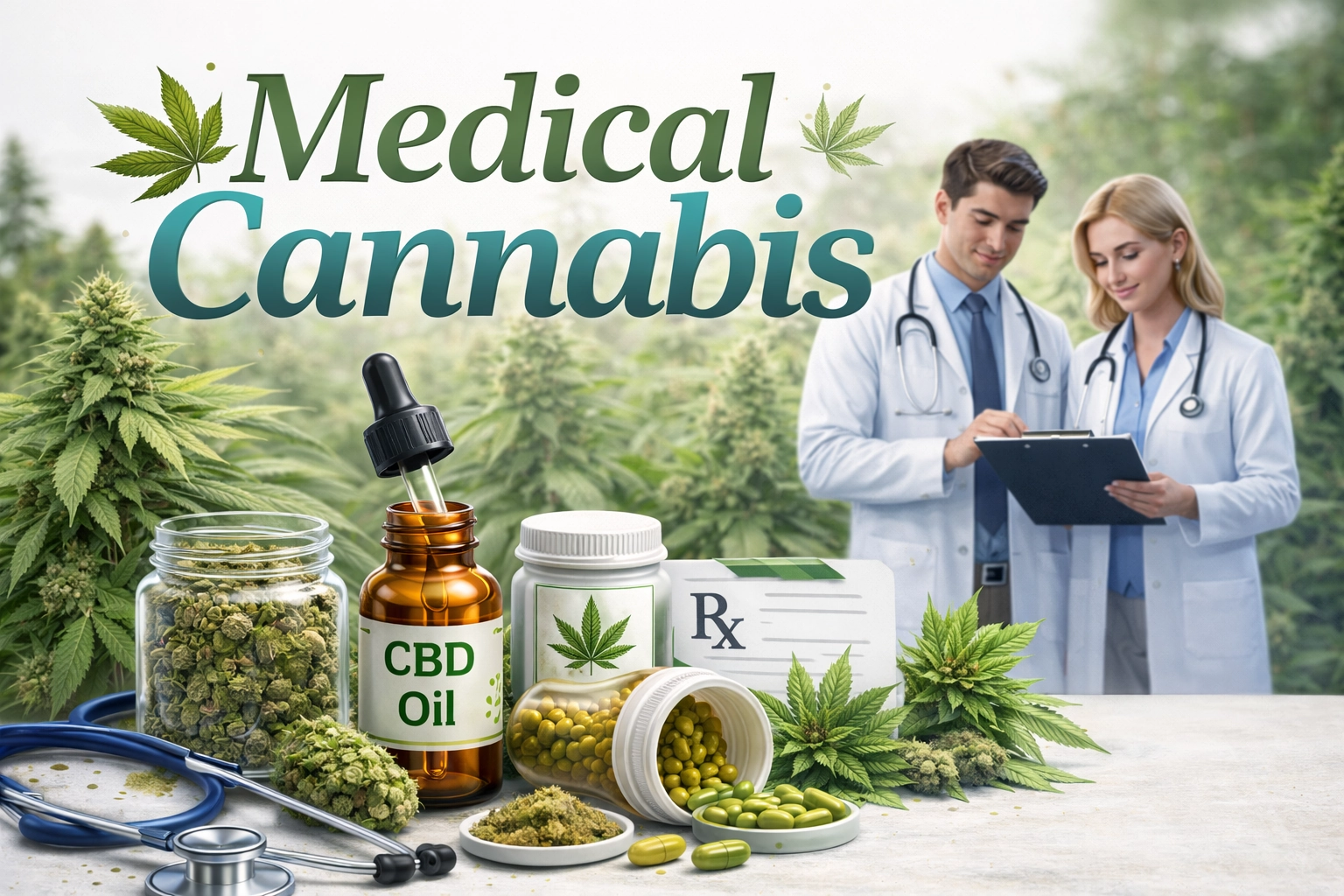
As cannabis legalization expands across the United States and globally, a clear distinction has emerged between medical marijuana and recreational cannabis. Although both come from the same plant species, the intent, regulation, access, and usage patterns often differ significantly.
Understanding these differences helps patients, consumers, and policymakers navigate an increasingly complex cannabis landscape.
Purpose and Intent
The most fundamental difference between medical and recreational cannabis lies in intent. Medical marijuana is used specifically to manage symptoms or treat qualifying health conditions under the guidance of a healthcare provider. Its purpose is therapeutic — focusing on pain relief, inflammation reduction, seizure control, appetite stimulation, or mental health support.
Recreational cannabis, by contrast, is used primarily for personal enjoyment, relaxation, or altered perception. While some recreational users may experience secondary wellness benefits, medical oversight is not required, and symptom management is not the primary focus.
Access and Regulation
Medical marijuana programs typically require physician certification and registration with a state program. Patients must qualify based on specific conditions defined by law, such as chronic pain, epilepsy, cancer-related symptoms, PTSD, or multiple sclerosis.
Recreational cannabis is generally available to adults over a specified age (often 21+) without medical documentation. However, regulatory frameworks vary by state and country, affecting purchase limits, taxation, and product potency.
Medical programs may offer advantages such as lower taxes, higher possession limits, and access to products with greater potency or specialized formulations not available in recreational markets.
Product Formulation and Potency
While both markets may share similar product categories — flower, edibles, tinctures, concentrates, and topicals — medical cannabis is often tailored toward therapeutic outcomes. Products may feature specific THC-to-CBD ratios, targeted terpene profiles, or formulations designed for symptom-specific use.
Medical patients may prioritize balanced cannabinoid ratios or non-intoxicating CBD-dominant products. Recreational consumers, on the other hand, often seek higher THC concentrations for stronger psychoactive effects.
That said, the lines are increasingly blurred. In many legal states, the same products may appear in both markets, with differences primarily in labeling, taxation, and regulatory classification.
Medical Oversight and Guidance
Medical marijuana use typically involves consultation with a healthcare provider who can advise on dosage, cannabinoid ratios, and potential drug interactions. This structured guidance can reduce the risk of adverse effects and improve therapeutic outcomes.
Recreational cannabis purchases usually rely on consumer preference and dispensary staff recommendations rather than formal medical advice. While many dispensary employees are knowledgeable, they are not licensed medical professionals.
For individuals managing chronic conditions or taking prescription medications, professional guidance can be particularly important.
Legal and Social Implications
Medical marijuana often carries different legal protections compared to recreational use. In some regions, medical patients may have employment protections, housing considerations, or caregiver allowances that do not extend to recreational users.
Insurance coverage remains limited in both cases, as cannabis is still federally classified as a Schedule I substance in the United States. However, medical registration may provide certain legal safeguards depending on jurisdiction.
Social perceptions are also evolving. Medical cannabis is increasingly viewed through a healthcare lens, while recreational use may still carry cultural or political debate in certain areas.
A Converging Landscape
As legalization progresses, the distinction between medical and recreational cannabis continues to shift. In some states, robust recreational markets have reduced the number of registered medical patients. In others, medical programs remain essential for individuals seeking higher potency products or lower costs.
Ultimately, both forms originate from the same plant, but their frameworks of use differ. Medical marijuana emphasizes therapeutic intent, structured access, and symptom relief. Recreational cannabis centers on personal choice and adult-use freedom.
For individuals deciding between the two, the choice often depends on medical need, legal environment, and desired outcomes. As research advances and policies evolve, the conversation around cannabis is becoming less about division and more about informed, responsible use.