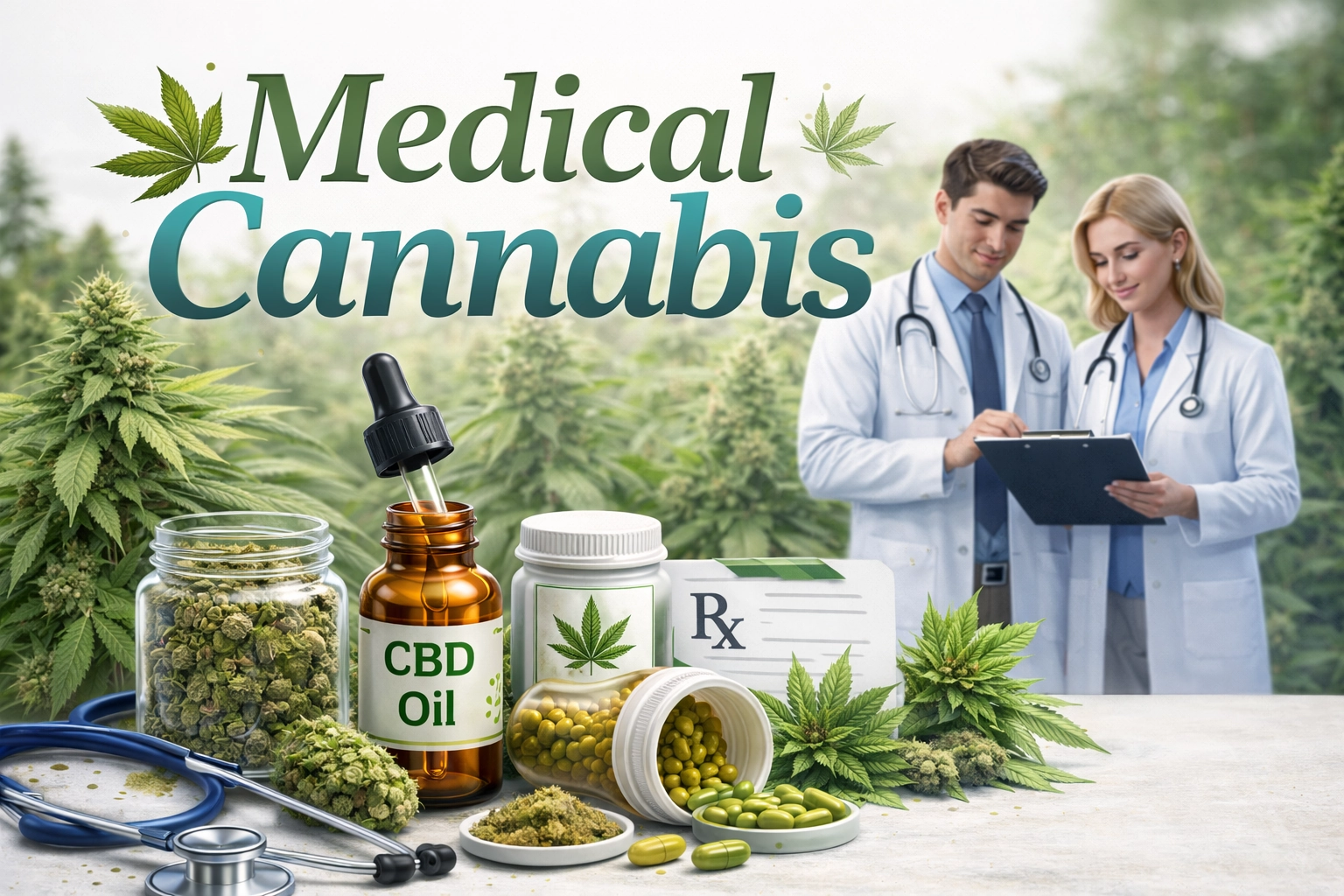
Microdosing cannabis is the practice of consuming very small amounts of cannabinoids — typically THC, CBD, or a combination of both — to achieve subtle therapeutic benefits without noticeable intoxication. Rather than seeking strong psychoactive effects, microdosing focuses on balance, functionality, and symptom relief.
In recent years, this approach has gained popularity among medical cannabis patients who want the benefits of cannabis while remaining clear-headed and productive throughout the day.
What Is Microdosing?
Microdosing involves taking the lowest effective dose necessary to produce mild symptom relief. For THC products, this often means doses as low as 1–2.5 milligrams, though sensitivity varies widely from person to person. Some individuals may respond to even smaller amounts.
The goal is not to feel “high,” but to gently stimulate the body’s endocannabinoid system in a way that supports homeostasis — the body’s natural state of balance. When properly dosed, many users report reduced anxiety, improved mood, decreased pain, and better focus without cognitive impairment.
Why Microdosing Appeals to Medical Patients
One of the primary concerns surrounding medical cannabis is psychoactivity. Higher doses of THC can cause dizziness, impaired coordination, or anxiety in some individuals. Microdosing reduces this risk while still allowing patients to access therapeutic benefits.
Patients managing chronic pain, inflammation, anxiety, or mood disorders often find that small, consistent doses throughout the day provide steady symptom control. This approach may also minimize tolerance buildup, meaning patients can maintain effectiveness without continually increasing dosage.
For individuals who are new to cannabis or sensitive to THC, microdosing offers a safer, more controlled introduction.
Potential Health Applications
Microdosing cannabis is commonly explored for:
- Chronic pain management
- Anxiety and stress reduction
- Mild depression
- Migraine prevention
- Inflammatory conditions
- Focus and productivity support
While research on microdosing specifically is still developing, broader studies on cannabinoids suggest that low doses can influence pain signaling, serotonin activity, and inflammatory pathways.
CBD-only microdosing is particularly popular among individuals who want therapeutic support without psychoactive effects.
Methods for Microdosing
Precise dosing is key. Tinctures, low-dose edibles, and capsules are often preferred because they allow accurate measurement in milligrams. Sublingual oils are especially useful, as users can adjust doses drop by drop.
Inhalation can also be used for microdosing, but it requires careful control and awareness, as effects occur rapidly and may be harder to measure precisely.
Keeping a journal can help patients track dosage, timing, and symptom response. This data-driven approach makes it easier to find an optimal personal dose.
The “Start Low, Go Slow” Principle
Microdosing aligns with a widely recommended cannabis guideline: start low and go slow. Patients typically begin with a very small dose, monitor effects over several hours or days, and gradually adjust if needed.
Because everyone’s endocannabinoid system responds differently, there is no universal microdose. Factors such as body chemistry, metabolism, prior cannabis exposure, and individual health conditions all influence outcomes.
Risks and Considerations
Even at low doses, THC can cause mild side effects in sensitive individuals. These may include dry mouth, slight drowsiness, or subtle mood shifts. Careful titration helps reduce these risks.
Microdosing may not be sufficient for severe pain or acute symptoms that require stronger intervention. In such cases, it may serve as part of a broader treatment plan rather than a standalone solution.
Patients should consult a healthcare professional familiar with medical cannabis, particularly if they are taking other medications that may interact with cannabinoids.
A Subtle Approach to Wellness
Microdosing cannabis represents a shift away from high-potency consumption toward intentional, therapeutic use. By emphasizing precision and moderation, this method allows individuals to harness potential benefits while maintaining clarity and daily function.
As research evolves and stigma continues to decline, microdosing may become an increasingly common strategy within personalized cannabis care — one focused not on intensity, but on balance.